
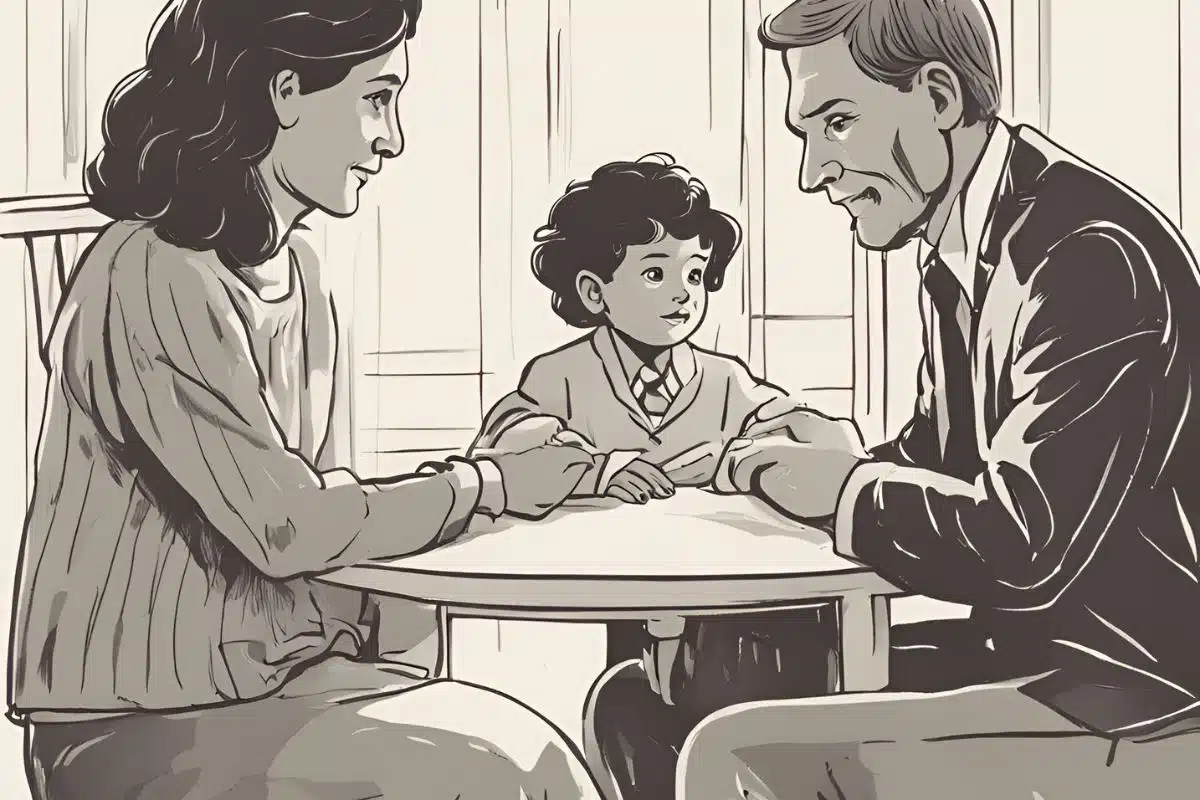
If you’re reading about reunification therapy, chances are something already feels broken. Maybe your child no longer wants to speak to you, avoids visits, or reacts with fear, anger, or silence. Maybe you’re being advised, or ordered, to “try therapy,” without fully understanding what that means or whether it can truly help.
Reunification therapy enters families’ lives at a point where trust has worn thin and emotions are raw. It is often suggested when contact between a parent and child has become strained or stopped altogether, and when ordinary conversations no longer feel possible. For many parents, the idea brings both hope and anxiety, hope that the relationship can be repaired, and fear of causing more harm if it is handled badly.
This article is not here to persuade you or promise outcomes. Instead, it walks through what reunification therapy looks like in real life, why some families turn to it, and why others are cautious. The aim is to help you understand the process in a grounded way, so you can think clearly about whether it feels appropriate for your child and your situation.
You know how sometimes parents and kids just can’t seem to see eye to eye? Reunification therapy helps families where a child and one parent are having trouble getting along. It can happen after a separation or divorce, and the goal is to rebuild the connection and create a safe space for everyone to talk things out.
If you’re a parent looking to reconnect with your child, or if you’re just curious about this type of therapy, you’re in the right place. Reunification therapy can be a game-changer for families going through tough times, and it’s all about creating a safe and supportive environment for everyone involved.
You can start reunification therapy in two main ways:
In contentious divorces or custody disputes, a judge may mandate reunification therapy when a child is refusing contact with one parent. The goal is to address underlying issues and rebuild the parent-child relationship in a safe and supervised setting.
If you’re concerned about a strained relationship with your child, you can independently seek out reunification therapy. Taking this proactive step demonstrates a commitment to improving family dynamics and can benefit everyone involved.
Connecting with a reunification therapist involves a few key steps:
Sometimes reunification therapy may not be the best choice, and that’s totally okay. Here are a few reasons why it might not be the right fit:
In this process, there are a few key people you can expect to be involved:
The main goals of this therapy are to:
So here’s what you can expect in the process:
You’ve got to put safety first. If there’s documented abuse, going through reunification therapy could actually end up retraumatizing the child. Similarly, if one of the parents is dealing with some serious mental health issues, it might be best for them to get the help they need before trying to rebuild the relationship.
If there’s extreme alienation or one of the parents, or even the child, isn’t really on board with participating, it can really slow down the progress. In cases of long-term estrangement, especially with older kids, there might be other approaches that could work better.
Therapists take into account the child’s age, how severe the situation is, and the family’s support system before deciding if reunification therapy is the right path.
If there’s documented abuse, then therapy isn’t the way to go for now. The focus needs to be on the child’s healing, possibly through individual therapy.
If the abusive parent has worked on their issues and the child feels safe, then supervised visits might be an option down the line. Otherwise, therapists might look into other ways to support the child and the non-abusive parent.
There’s a study that found about 82.7% of children remained reunified at the end of the study. But it’s important to note that success rates can vary, and more research is needed. Also, around a quarter of reunified kids were reported to child protective services again, but we don’t know for sure if that’s linked to the therapy.
If reunification therapy doesn’t work out, the focus stays on the child’s safety. Therapy might shift to support the child or explore other approaches for the family, like communication skills training or educational programs. In court cases, custody arrangements might be revisited. But even without full reunification, there can still be success, like better communication and reduced conflict.
Reunification therapy is a slow process, no magic answer for how long it takes. It depends on how long the estrangement lasted, the child’s age, how committed everyone is, and any underlying issues. It can take months to over a year, but even small improvements like better communication are signs of progress.
Insurance coverage for reunification therapy can be a bit tricky. Private plans are more likely to cover it than government programs. You’ll need to check your plan details. Court-ordered therapy might have a better chance of coverage than voluntary therapy. It’s best to call your insurance company directly to understand your specific coverage and any out-of-pocket costs.
Imagine suddenly feeling a tight, twisting sensation in your stomach that makes it hard to…
Constipation is a common digestive problem that affects millions of people worldwide. Many wonder if…
Broken bones, or fractures, are common injuries that can range from minor hairline cracks to…
A blood clot in the leg, also known as deep vein thrombosis (DVT), can be…
A fever is your body’s natural response to infection, signaling that your immune system is…
The respiratory system is one of the most essential systems in the human body, responsible…

