
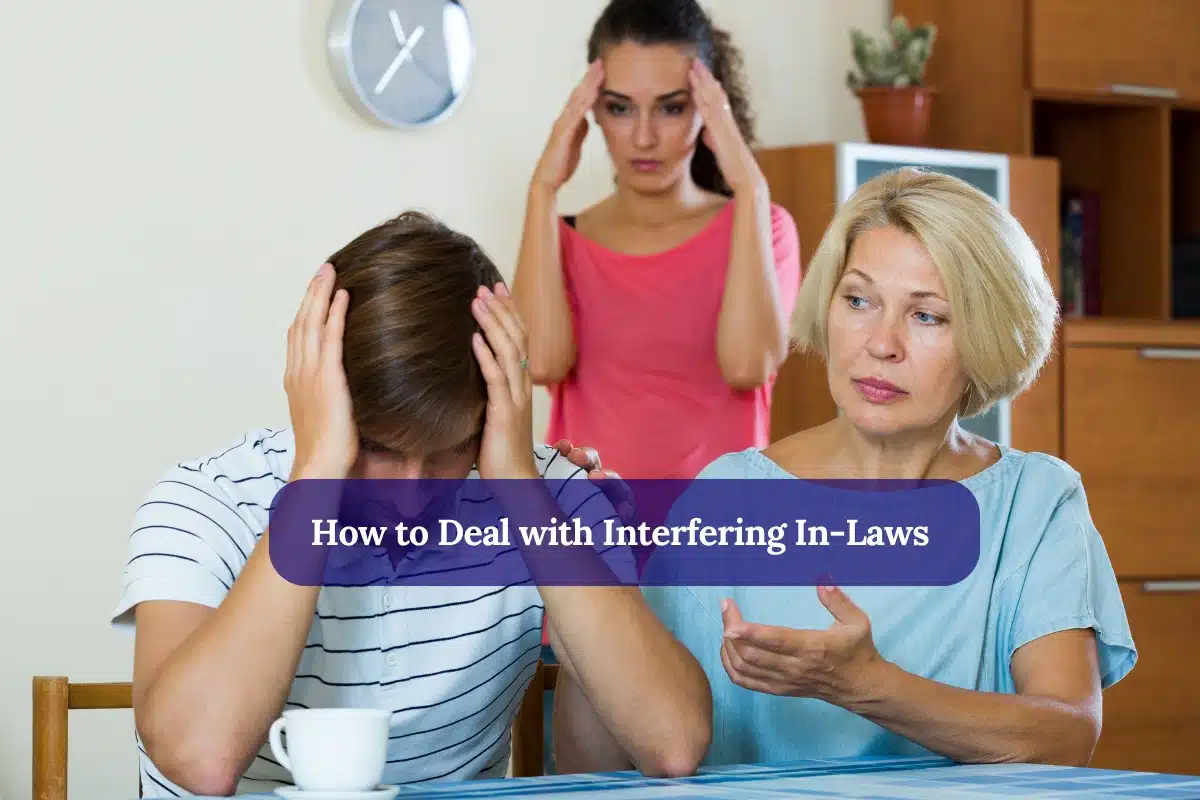
Family is supposed to be supportive, but sometimes, they cross the line. Maybe your mother-in-law tells you how to raise your kids, your father-in-law gives unwanted money advice, or your sister-in-law competes with you for attention.
At first, it might seem small, but over time, it can cause stress, arguments, and even hurt your marriage.
👉 Sound familiar? You’re not alone! Many couples deal with family members who don’t respect personal space. But cutting them off isn’t always the best solution – instead, you need to set clear but respectful boundaries.
In this guide, you’ll learn:
Let’s get started!
Before you can fix the problem, it helps to understand why family members interfere in the first place. Most of the time, it’s not about hurting you—it’s about their own emotions and expectations.
Older family members grew up with different ideas about marriage, parenting, and family roles. They may think their way is “right” and expect you to follow.
Some in-laws feel like they should have a say in your decisions—especially if they helped raise your spouse or supported your family financially.
They might make comments like, “We sacrificed so much for you” or “You never visit anymore” to make you feel guilty and give in to their wishes.
Parents and siblings may feel like they’re losing their place in the family as your marriage becomes the priority. Their interference can be a way of trying to stay involved.
Many couples struggle with in-laws who don’t respect boundaries. Whether it’s giving unwanted advice, judging your choices, or trying to control family decisions, knowing the reason behind their behavior can help you respond with patience and confidence.
The best way to stop family interference? Set boundaries and enforce them. Many people struggle with this because they don’t want to seem rude or fear family drama. But without boundaries, in-laws will keep overstepping—and your relationship will suffer.
Setting boundaries isn’t about shutting family out—it’s about protecting your marriage. When you and your spouse present a united front, your in-laws will learn to respect your space.
Good communication is key when handling difficult in-laws. The goal is to stand your ground without creating unnecessary conflict. Using the right words and approach can help you avoid arguments while keeping the peace.
Handling in-laws doesn’t have to turn into a fight. With the right communication tactics, you can set limits, keep control of the situation, and avoid unnecessary stress.
One of the biggest challenges in dealing with interfering in-laws is when your spouse doesn’t set boundaries. If they avoid conflict or try to please everyone, it can leave you feeling unsupported. The key is to work as a team—without making it feel like a battle between you and their family.
When your spouse supports you and reinforces boundaries, it sends a clear message to their family: Your marriage comes first. Over time, this will help reduce interference and create a healthier family dynamic.
Not all in-law problems are just about overstepping boundaries. Some family members can be toxic and manipulative, creating emotional stress and conflict in your relationship. If their behavior is causing constant anxiety, self-doubt, or guilt, it’s time to take a different approach.
Suppose an in-law’s actions are causing emotional harm, stress in your marriage, or affecting your self-worth. In that case, creating firm boundaries is okay—even if that means distancing yourself completely.
Not all in-law interference is toxic or intentional. In many cases, it’s about differences in expectations, traditions, or communication styles. Learning when to compromise and when to stand firm can help maintain peace without losing your personal boundaries.
Not every in-law conflict has to lead to arguments or estrangement. Learning how to compromise strategically while standing firm on important issues will help you keep the peace without sacrificing your happiness.
Sometimes, no matter how hard you try, in-law problems don’t go away. If the stress is hurting your marriage, mental health, or daily life, it may be time to get outside help.
Sometimes, family counseling can help if in-laws are willing to listen and change. But if they refuse, focus on strengthening your marriage first.
Ignoring family problems won’t make them go away. If in-law stress is hurting your marriage, getting support early can prevent bigger issues later.
If your in-laws ignore your limits, stay firm and consistent. Keep your responses simple, like:
Instead of blaming your spouse, focus on teamwork. Say something like:
Yes—if they are causing serious harm to your mental health, marriage, or safety. But before cutting ties, try these steps:
Dealing with interfering in-laws can be tough, but with clear boundaries, good communication, and a strong bond with your spouse, you can handle family issues without harming your relationship.
If in-law stress is causing fights, stress, or emotional pain, you don’t have to face it alone. PsychiCare’s online marriage counseling can help you and your partner:
✔ Set healthy boundaries
✔ Talk to in-laws without fights
✔ Stay strong as a couple
✔ Find peace and solutions that work for both of you
Put your marriage first. Book a session with a PsychiCare expert today and take the first step toward a happier, healthier relationship.
Have you struggled with in-laws? What helped you handle the situation? Share in the comments – your story might help someone else!
Set clear boundaries, communicate calmly, and involve your spouse in discussions. If she interferes, politely but firmly express your limits. Prioritize your marriage while keeping respect.
Limit contact, set boundaries, and avoid reacting emotionally. Focus on your marriage and seek support from your spouse. If needed, get professional counseling to handle toxic behavior.
Stay respectful but keep your distance. Avoid arguments and let your spouse handle tough conversations. Focus on your marriage, not her approval.
Build a civil relationship by staying polite and setting boundaries. If she causes issues, discuss it with your spouse and avoid unnecessary conflicts.
Set house rules, divide responsibilities, and maintain personal space. Communicate openly to avoid misunderstandings. Involve your spouse in major decisions.
Keep interactions short and avoid emotional reactions. Set strong boundaries, refuse to engage in manipulation, and seek professional advice if needed.
Speak up calmly when they overstep. Let them know you appreciate their concern but make your own decisions. Stay firm and consistent.
Don’t engage in comparisons. Focus on your own happiness and avoid unnecessary competition. Keep interactions neutral and positive.
Respectfully address any concerns and involve your spouse. Set healthy boundaries if he interferes in your marriage or parenting.
Discuss expectations early, divide household responsibilities, and ensure personal space. Open communication helps avoid conflicts.
Recognize the signs, limit interactions, and set firm boundaries. Protect your mental health and consider professional counseling.
Be clear about what you can and cannot provide. Offer help within limits and avoid enabling financial irresponsibility.
Discuss house rules and expectations early. Set boundaries to maintain peace and avoid conflicts.
Stay kind but distant. Avoid sharing too much about your life and don’t engage in unnecessary drama.
Firmly but respectfully remind her of your limits. Set clear expectations with your spouse’s support.
Limit interactions, stay polite, and don’t let her negativity affect your marriage. Focus on keeping peace, not forcing closeness.
Set clear boundaries, politely decline interference, and avoid oversharing personal matters.
Encourage professional help, avoid enabling behavior, and protect your home environment.
Accept that you can’t control their feelings. Focus on your marriage and maintain self-respect.
Don’t engage in fights. Walk away, set firm boundaries, and limit contact if needed.
Don’t take it personally. Be polite, but don’t force a relationship. Focus on positive family connections.
Set household expectations and assign tasks fairly. Keep communication open and involve your spouse.
Stay polite but don’t engage in rivalry. Keep conversations light and avoid unnecessary conflicts.
Be respectful, limit contact, and let your spouse handle family dynamics. Don’t fuel the negativity.
Stay calm, set firm boundaries, and avoid reacting emotionally. Keep your distance when necessary.
Don’t engage in arguments. Politely acknowledge their words, but make your own decisions.
Don’t expect mature behavior. Stay patient, set boundaries, and keep interactions minimal.
Respect his opinions but don’t let them control your life. Set limits on his influence.
Protect your mental health, limit stress, and focus on your well-being. Set boundaries for your peace.
Ignore negative comments and don’t seek approval. Keep interactions brief and drama-free.
Be polite but don’t force a bond. Focus on building relationships where effort is mutual.
Imagine suddenly feeling a tight, twisting sensation in your stomach that makes it hard to…
Constipation is a common digestive problem that affects millions of people worldwide. Many wonder if…
Broken bones, or fractures, are common injuries that can range from minor hairline cracks to…
A blood clot in the leg, also known as deep vein thrombosis (DVT), can be…
A fever is your body’s natural response to infection, signaling that your immune system is…
The respiratory system is one of the most essential systems in the human body, responsible…

