
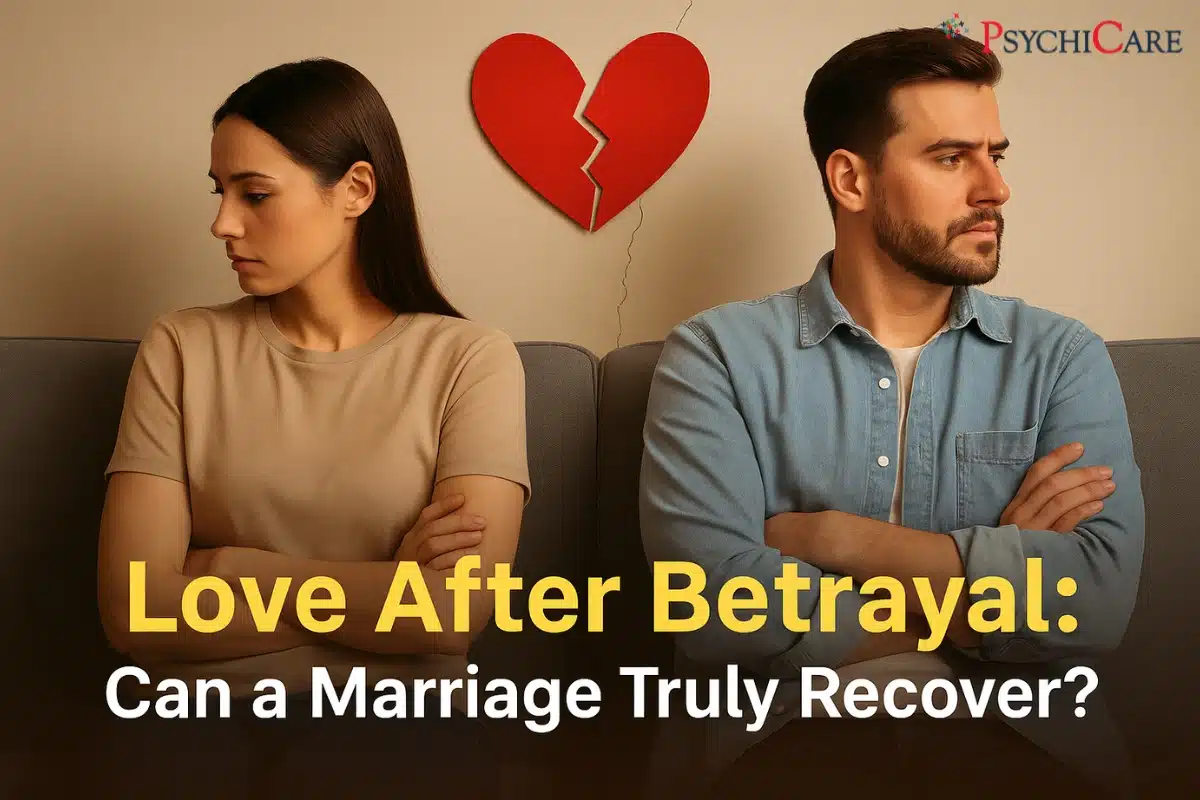
“Can we fix our marriage after cheating?”
“Will I ever trust them again?”
“Is it even worth trying?”
If you’re asking these questions, you’re not alone. As therapists, we hear them almost every day, often from people who are still in shock, still hurting, and not sure if staying is even possible.
And here’s the truth: healing is hard, but it’s not impossible. In fact, studies show that about 60–70% of couples try to stay together after infidelity. Some make it. Some don’t. But many who do say their relationship eventually became stronger, more honest, and more real than before.
That doesn’t mean it’s easy. Betrayal changes things. It shakes the foundation. But it doesn’t always have to be the end. With time, trust can be rebuilt, not by forgetting what happened, but by facing it head-on, together.
This guide will walk you through what that process looks like step by step. No sugarcoating. Just real tools, hard truths, and the kind of support that helps you figure out what’s next.
When people hear the word betrayal, they often think of just one thing: cheating. But betrayal in a relationship isn’t always about sex, and it doesn’t always happen suddenly.
Sometimes, it’s emotional cheating. Long conversations, secret connections, or growing closeness with someone else that crosses unspoken lines.
Sometimes, it’s lies and half-truths, things not said, things hidden, promises broken over and over again.
And sometimes, betrayal comes from emotional neglect. Feeling invisible in your own marriage. Reaching out and not being met. Being shut down again and again until trust fades into silence.
Here’s what betrayal can look like:
No matter what form it takes, the result is often the same:
You start to question everything.
Betrayal cuts deep because it damages the emotional safety every relationship needs to survive. It doesn’t just break trust, it shatters the feeling that this person is your safe place.
The first step toward healing? Calling it what it is. Betrayal. Whether it was a one-night stand, a long emotional affair, or years of being ignored, your pain is real. And naming it helps you begin to move through it.
When your partner breaks your trust, whether through cheating, emotional infidelity, or years of neglect, it doesn’t just hurt. It changes how you see them, yourself, and the entire relationship.
You might find yourself asking:
These aren’t dramatic questions. They’re the natural result of being betrayed by someone you loved and counted on.
Here’s what often happens in a relationship after cheating:
For the person who cheated, the damage is real too:
The effects of betrayal are deep. They impact not just the relationship, but also mental health causing anxiety, insomnia, depression, or even relationship OCD after cheating.
But the good news is: recovery is possible.
Even if it feels broken right now, a marriage can survive after infidelity when both partners are willing to face the pain, take accountability, and rebuild from the ground up.
Trying to fix a marriage after cheating is hard enough. However, some mistakes can prolong the pain or prevent healing from occurring at all.
If you want to rebuild trust and move forward, here are 9 things to avoid:
Saying “I forgive you” before you’ve processed the pain might seem easier, but it builds resentment later. Healing takes time; it’s okay to go slow.
Trying to “forget it ever happened” doesn’t work. You need to talk about the betrayal honestly, not constantly, but openly and with care.
This is what therapists call “trickle truth.” When more info keeps coming out later, it destroys trust all over again. Be completely honest, even if it’s uncomfortable.
After betrayal, your relationship isn’t the same and that’s not always bad. But pretending nothing happened stops real growth from happening.
Bringing up the affair in every fight or using it to guilt-trip your partner keeps you stuck in the past. It blocks both partners from healing.
Some people focus so much on saving the relationship that they forget to take care of themselves. You’re allowed to feel hurt, angry, and confused, and you need space to process it.
You can’t always fix betrayal on your own. A therapist can help you both communicate better, rebuild trust, and break old patterns.
Every healed marriage needs a reset, new agreements, transparency, and daily check-ins. Without clear boundaries, old habits often return.
Even if it only happened once, it still broke trust. Don’t downplay the impact. If you’re the one who cheated, own it fully and show up to repair the damage.
Avoiding these mistakes doesn’t guarantee a perfect outcome, but it gives your relationship a real chance to heal with honesty, structure, and care.
At PsychiCare, we’ve worked with many couples who come to us right after infidelity. They’re confused, hurt, and wondering if their marriage even has a chance. And while every situation is different, most couples move through three major emotional stages after betrayal, a process originally described by relationship expert Esther Perel.
Here’s how healing usually unfolds:
This is the emotional aftermath. One or both partners feel like the floor has dropped out. There’s shock, anger, sadness, anxiety, sometimes all at once.
💬 This is where many couples ask: “Can our marriage survive this?”
And the honest answer is not without slowing down and facing what just happened.
Once the chaos calms down a little, the deeper questions start to show up.
Not just what happened, but why.
This isn’t about blaming anyone. It’s about understanding the full picture so you can decide how (or if) to move forward.
💬 Our therapists often say, “You don’t just rebuild trust. You rebuild the relationship itself.”
This is where real healing begins if both partners are committed.
💬 Many couples who stay together say this is when their marriage became stronger than ever, not because the betrayal didn’t matter, but because they chose to grow through it.
These 3 stages don’t always happen in a perfect line. You might move forward, then slide back. That’s normal. What matters is that you keep showing up with honesty, effort, and empathy.
Most articles will tell you to “be honest” or “communicate more.” But in real life, rebuilding trust after betrayal isn’t just about doing the obvious. It’s about showing up in very specific ways that speak directly to the pain, fear, and loss that cheating creates.
Here’s what we tell couples at PsychiCare when they ask us, “What do we actually do now?”
Most betrayed partners don’t just want to hear the truth. They want to know you’re not hiding anything anymore.
Don’t wait for them to pull it out of you. Offer it. Say:
“There’s something else I haven’t told you, and I need to be honest.”
That moment when you’re willing to say the thing you’re most afraid to say is when trust starts to breathe again.
Say you’re sorry without asking for forgiveness back. Without looking for a hug. Without hoping they say, “It’s okay.”
Let your apology stand alone. No pressure. No timeline. Just a clear, steady offering of remorse every time it’s needed.
In therapy, we ask both partners:
“What needs to happen for you to feel safe again in this marriage?”
And we ask the one who cheated:
“What boundaries can you commit to without resentment?”
This list is about more than passwords or routines. It might include:
This becomes the daily trust roadmap, not just ideas, but actions.
If your partner flinches at a song, a location, or a date on the calendar, don’t roll your eyes.
Say something like:
“I know this reminds you of what happened. I see that it’s still hard.”
This one small act, seeing their pain without making it about you, is one of the most powerful ways to rebuild trust after cheating.
You can’t undo the past, but you can create small daily rituals that send a new message: “You matter. I choose us.”
Examples:
Yes, you might need to share your location. Or allow phone access. Not forever but for a while. Not because your partner wants to control you, but because their trust was destroyed.
Let it be a gift you give them, not a prison you’re stuck in.
Say:
“I’m okay with transparency if it helps you feel safer. You don’t need to apologize for needing that.”
You can’t fix this by reading articles or fighting your way through it. Most couples who survive cheating don’t do it alone.
Therapy gives you space to:
Working with a trained professional helps both of you feel less stuck and more seen.
Rebuilding trust isn’t about being perfect; it’s about being consistent, humble, and present.
And sometimes, what rebuilds the most trust… is simply showing up when it’s hard, again and again.
After cheating, one of the hardest questions isn’t “How do we fix this?”
It’s:
“Should we even try to save this marriage?”
And that’s a valid question. Because sometimes, it is worth fighting for. Other times, trying to hold on does more damage than letting go.
At PsychiCare, we help couples figure out what’s real, what’s fear, and what’s truly possible.
They’re not blaming you or acting like it “just happened.” They’re honest. They say, “I know I hurt you, and I’m ready to do what it takes to make things right.”
That’s not everything, but it’s a start.
You might feel angry, sad, confused… but you still care. You still wonder what life with them could look like if things actually changed.
That feeling matters. It means there’s still something left to work with.
Saving a marriage after cheating only works when both people are willing to try. Not perfectly. Not with a smile every day. But with real effort.
Even saying “I don’t know how, but I want to try” is a good sign.
The old version of your marriage, the one that broke can’t be the goal. But if you’re open to building something better, something more honest and real, then you have a real chance.
If this isn’t the first time… or they’re still hiding things… or they just keep doing hurtful stuff over and over, you don’t owe anyone endless chances.
If your partner shuts down, gets angry when you bring it up, or acts like you’re the problem, that’s not love. That’s avoidance. And it makes healing impossible.
A lot of people stay because they’re afraid of being alone, of breaking up the family, of starting over. But staying out of fear isn’t the same as saving a relationship.
If you feel nervous around them… if you’re always walking on eggshells… if they guilt-trip you or flip the blame, that’s not a marriage. That’s emotional damage.
You don’t have to rush the decision. You don’t need to know today.
But ask yourself honestly:
Is staying helping me heal or keeping me stuck?
Whatever the answer is, you deserve peace. And you don’t have to go through it alone.
If you’ve read this far, chances are… your heart is heavy. You’re hurt, confused, and wondering what the right move is. Maybe you’re hoping your marriage can still be saved. Maybe you’re not sure if you even want to try.
If your marriage is hurting, and you’re not sure where to go from here, you don’t have to figure it out alone. At PsychiCare, our licensed therapists have helped hundreds of couples work through betrayal, rebuild connection, and make peace with whatever decision comes next.
💬 Your marriage might feel broken right now. But you’re not.
Book a confidential session with one of our experienced relationship therapists today online, from wherever you are.
Start small. Start now. Book Online Marriage Counseling →
Yes, a marriage can be repaired after cheating if both partners are willing to put in consistent effort. It requires honest conversations, emotional safety, and time to rebuild trust. While it may not feel the same, many couples create a stronger relationship through healing.
Yes, counseling gives couples a safe space to talk, understand what went wrong, and rebuild trust. A trained therapist helps both partners express feelings, set new boundaries, and create a plan to move forward. It’s often a key step in recovery.
Yes, emotional and online cheating can be just as damaging as physical affairs. These betrayals often involve deep secrecy and emotional intimacy. Healing requires full honesty, ending the outside connection, and clear digital boundaries to protect the relationship.
Most couples need 12 to 24 months to feel emotionally safe again. Healing takes time, patience, and steady action from both partners. There may be ups and downs, but trust can slowly return with honest effort.
It depends. If your partner is honest, shows regret, and works to change, it may be worth saving. But if there’s ongoing lying, emotional abuse, or no effort to rebuild, walking away might be the healthier option.
Yes, but it takes time. After betrayal, sex often feels distant, forced, or emotionally complicated. Healing requires emotional safety, open communication, and patience. With trust slowly returning, many couples find intimacy again, though it may look and feel different than before.
Imagine suddenly feeling a tight, twisting sensation in your stomach that makes it hard to…
Constipation is a common digestive problem that affects millions of people worldwide. Many wonder if…
Broken bones, or fractures, are common injuries that can range from minor hairline cracks to…
A blood clot in the leg, also known as deep vein thrombosis (DVT), can be…
A fever is your body’s natural response to infection, signaling that your immune system is…
The respiratory system is one of the most essential systems in the human body, responsible…


