
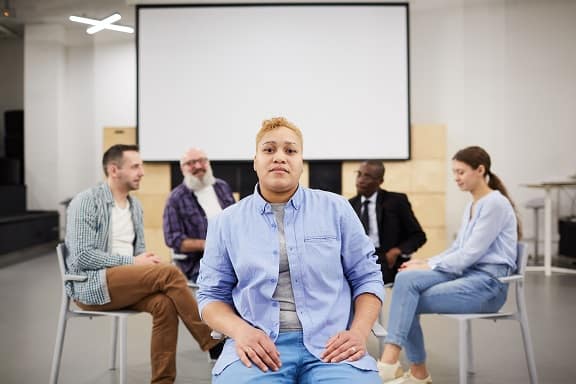
Gender dysphoria happens when a person’s gender identity doesn’t match the sex they were assigned at birth, leading to distress and mental health struggles. Treatments like hormone therapy, gender-affirming surgery, and therapy can help individuals feel more at home in their bodies.
Imagine a night out with friends—your biggest worry is who’s buying the next round. But for someone with gender dysphoria, even speaking up or using the restroom can feel overwhelming. Will their voice give them away? Will they face judgment?
Studies show that 0.6% of adults and 1.4% of teens worldwide experience gender dysphoria. While stigma remains, awareness and support are growing in 2025, making it easier for individuals to access care and live authentically.
Gender dysphoria is when someone feels uncomfortable because their gender identity doesn’t match the sex they were given at birth. It used to be called gender identity disorder, but now people understand it’s not just about identity—it’s about the distress it causes.
Lately, more people are talking openly about gender, and society is becoming more accepting. But even with this progress, many still struggle with fear of judgment and pressure to fit in, which can make everyday life really tough.
Gender dysphoria can affect anyone, regardless of age, and has a major impact on mental health. Some common symptoms include:
This distress can affect many parts of life. Some people may avoid school or work due to pressure to dress a certain way or fear of bullying. Others may struggle with anxiety, depression, self-harm, or even substance abuse. In severe cases, the emotional burden can lead to suicidal thoughts.
Even though awareness is growing, there is still a need for more research on how gender dysphoria connects to mental health challenges like depression and anxiety. A better understanding can lead to stronger support systems and improved treatment options.
Gender dysphoria has no single cause—it’s influenced by a mix of biological, psychological, and social factors. While research is still ongoing, it’s clear that a supportive and understanding environment is crucial for those experiencing it.
Biological Factors:
Psychological Factors:
Social and Cultural Factors:
If someone feels uncomfortable in their own body because their gender doesn’t match what they were assigned at birth, there are ways to help. The goal of treatment is to reduce stress and help people feel more like themselves.
Some kids feel like the gender they were assigned at birth doesn’t match who they really are. This can make them feel confused, upset, or even anxious. They might prefer clothes, toys, or activities that don’t match what’s expected of them, or they may insist they are a different gender altogether.
Not all kids with gender dysphoria will identify as transgender later in life, but for those who do, early support is crucial. Feeling accepted and understood can help prevent stress, anxiety, and other mental health struggles.
The DSM-5 (Diagnostic and Statistical Manual of Mental Disorders, Fifth Edition) outlines specific signs to diagnose gender dysphoria. These include:
Gender dysphoria isn’t just something kids or teens experience—it can affect adults too. Some people don’t fully realize their true gender identity until later in life. It’s important to create a safe space where adults can explore their identity and get the support they need. Therapy, support groups, and gender clinics can be helpful for those navigating this journey.
Struggling with gender identity can take a toll on mental health. Many people with gender dysphoria experience anxiety, depression, or stress due to feeling misunderstood or unaccepted. That’s why emotional support is just as important as any medical treatment. Therapy, counseling, and support networks can make a big difference.
Having people to talk to can make the journey easier. Here’s how:
Some people with gender dysphoria choose hormone therapy to help their body match their gender identity. This involves taking testosterone or estrogen under a doctor’s supervision. Hormone therapy can lead to physical changes that help people feel more comfortable in their own skin.
Besides hormones, some people may take medications to help with anxiety, depression, or other mental health struggles related to gender dysphoria. A doctor can help decide what’s best based on individual needs.
For people who realize their gender identity after puberty, the transition process can be more complex. Some may feel dysphoria more intensely due to body changes that don’t match how they feel inside. Seeking professional help can provide guidance on how to navigate these feelings and options for transition.
People with disabilities can also experience gender dysphoria, and they may face unique challenges. It’s important to ensure they have accessible healthcare, proper support, and understanding professionals who respect their needs and identity.
Adults with gender dysphoria often face unique challenges as they explore and embrace their true gender identity. Having support from family, friends, and society is key to their mental and emotional well-being. Creating an environment that values respect, inclusivity, and acceptance can make a huge difference in their journey.
Gender dysphoria is a deeply personal experience. Learning about its challenges, treatment options, and ways to support those affected helps create a more understanding and accepting society. By spreading awareness and standing up for inclusivity, we can help people with gender dysphoria feel safe, valued, and happy.
No, gender dysphoria itself is not a mental illness. It’s a condition where someone’s gender identity doesn’t match the sex they were assigned at birth. However, struggling with dysphoria can lead to stress, anxiety, or depression, which is why support and acceptance are so important.
There’s no “cure” for gender dysphoria, but there are ways to help people feel more comfortable in their own bodies. Therapy, hormone treatment, and gender-affirming surgeries are some options that can reduce distress and improve well-being.
There are many resources to help you learn more or find support:
Imagine suddenly feeling a tight, twisting sensation in your stomach that makes it hard to…
Constipation is a common digestive problem that affects millions of people worldwide. Many wonder if…
Broken bones, or fractures, are common injuries that can range from minor hairline cracks to…
A blood clot in the leg, also known as deep vein thrombosis (DVT), can be…
A fever is your body’s natural response to infection, signaling that your immune system is…
The respiratory system is one of the most essential systems in the human body, responsible…

