Last Updated on August 18, 2026
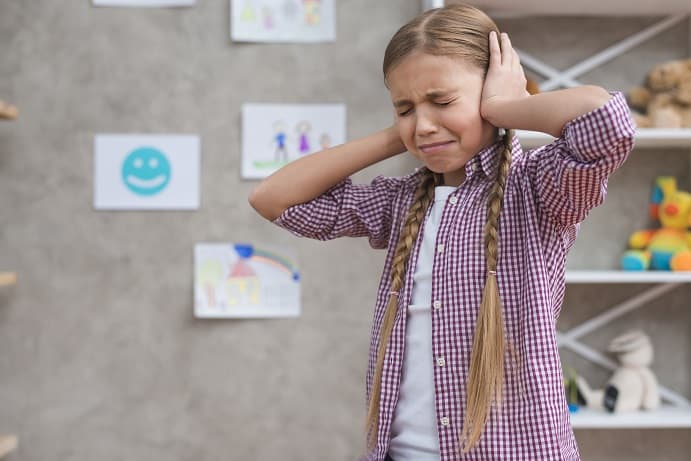
Your child screams because you said no. Another day, they hit a sibling after losing a game. Sometimes they throw things, slam doors or become angry over something that seems very small.
For parents, the difficult question is not always “How do I stop this?”
It is often:
“Is this normal for my child’s age, or is something going wrong?”
Some anger and tantrums are a normal part of growing up, particularly in younger children who are still learning how to handle frustration. Tantrums generally become less common as children’s language and emotional regulation improve.
But frequent aggression, intense outbursts, persistent irritability or behaviour that repeatedly affects home, school or relationships deserves closer attention.
For Indian parents dealing with child behaviour problems, understanding what happens before, during and after an outburst is usually more useful than simply calling a child “stubborn” or “badly behaved.”
Are Tantrums Normal in Children?
In younger children, yes.
A tantrum happens when a child becomes overwhelmed by frustration, anger or distress and cannot yet regulate the feeling effectively.
A young child may cry, scream, fall to the floor, kick or hit during a tantrum. These behaviours are particularly common during the toddler years and generally decrease as children develop better communication and self-control.
So a three-year-old crying because they cannot have another toy is very different from a ten-year-old repeatedly hitting family members whenever they hear “no.”
Age, frequency, intensity and impact all matter.
Parents should pay closer attention when tantrums are becoming more severe rather than gradually improving with age.
When Should Parents Be Concerned About Tantrums?
One difficult evening does not tell you much.
Look for a repeated pattern.
Tantrums may need closer psychological attention when they:
- Happen very frequently
- Become unusually intense for the child’s age
- Regularly involve hitting, kicking or biting
- Include deliberate destruction of things
- Continue well into school age
- Take a long time for the child to recover from
- Happen across several situations
- Create major problems at school or home
- Affect friendships or sibling relationships
- Leave parents feeling that ordinary boundaries are almost impossible to maintain
The American Academy of Child and Adolescent Psychiatry notes that recurrent or severe tantrums become more concerning after the preschool years, while severe mood swings and physically aggressive outbursts in adolescents also warrant evaluation.
That does not mean every older child who loses their temper has a psychological disorder.
It means repeated, impairing behaviour deserves understanding rather than endless punishment.
Why Does My Child Hit When Angry?
Hitting is behaviour. It does not tell us the reason by itself.
A child may hit because they have learned that aggression quickly ends a conflict.
Another child may hit when frustration becomes so intense that they cannot pause before acting.
A younger child may have fewer words for what they feel.
An older child may understand that hitting is wrong but still have difficulty controlling their response when emotions become intense.
The useful question is:
“What usually happens immediately before the hitting?”
For example:
- Were they told no?
- Did a sibling take something?
- Did they lose a game?
- Were they asked to stop an enjoyable activity?
- Were they corrected or criticised?
- Did they feel embarrassed?
- Were they expected to do something they wanted to avoid?
Finding the pattern helps parents understand what the child needs to learn.
The goal is not to excuse hitting.
It is to teach a safer response.
Aggressive Behaviour Should Still Have a Clear Boundary
Understanding behaviour does not mean allowing it.
A child can be angry.
They cannot be allowed to hurt someone.
During aggressive child behaviour, parents often make one of two mistakes.
Some become equally aggressive:
“How dare you hit him!”
followed by shouting, threats or physical punishment.
Others become so focused on calming the child that the original boundary disappears.
A clearer response is:
“I know you’re angry. I won’t let you hit.”
The message separates the feeling from the behaviour.
Anger is acceptable.
Hitting is not.
When the child has calmed, parents can return to what happened and practise another way of responding.
Why Does My Child Get Angry Over Small Things?
What looks small to an adult may not feel small to a child.
The child may not only be reacting to the final event.
Imagine a child who has already been frustrated several times during the day. Then their sibling takes their pencil.
The pencil may be the trigger, but the emotional reaction can be much bigger than the pencil itself.
Some children also have more difficulty with:
- Frustration
- Waiting
- Losing
- Being corrected
- Changing plans
- Hearing “no”
- Sharing
- Handling disappointment
- Expressing feelings clearly
These are emotional regulation skills.
They develop over time and through repeated practice.
The aim is not to make a child stop feeling anger. It is to help them notice anger earlier and respond without aggression.

Why Is My Child Irritable All the Time?
A tantrum is an episode.
Irritability is different.
An irritable child may appear angry or easily annoyed for much of the day, even between obvious outbursts.
They may argue frequently, react strongly to ordinary requests or seem constantly ready for another conflict.
Persistent irritability deserves attention because psychologists look not only at the outburst itself but also at the child’s mood between outbursts. AACAP specifically notes that some school-age children who have concerning tantrums also remain irritable, angry or sad between episodes.
Parents should therefore notice both:
How intense are the outbursts?
and
What is the child like between them?
“My Child Behaves Well Outside but Is Aggressive With Me”
Parents sometimes say:
“The teacher says she’s completely fine. At home she argues about everything.”
This does not automatically mean the child is manipulating the parent.
Behaviour changes according to context.
The expectations, relationship, consequences and demands at home are different from those at school.
It is useful to compare the situations.
Ask:
- What usually triggers the problem at home?
- Are household rules predictable?
- Do both parents respond in similar ways?
- Does arguing sometimes help the child delay a task?
- Does the child get more attention during conflict than during cooperation?
- Are instructions repeated many times before anything happens?
Psychology looks at these patterns because behaviour is influenced by what happens around it.
If listening and everyday cooperation are the bigger concern, PsychiCare’s guide on why children do not listen to parents explains parent-child power struggles in more detail.
Can Parents Accidentally Reinforce Tantrums?
Yes, and it often happens without anyone realising it.
Suppose a child asks for the phone.
The parent says no.
The child screams for ten minutes.
Eventually, exhausted, the parent hands over the phone.
From the child’s point of view, the sequence becomes:
Ask → hear no → scream harder → eventually get the phone.
The child does not need to consciously plan this.
Behaviour that repeatedly produces a useful outcome is more likely to happen again.
This is why consistency is a major part of behavioural parenting approaches. Parent-focused behaviour therapy teaches caregivers how their responses can strengthen helpful behaviour and reduce problematic patterns. The CDC identifies parent behaviour training as the treatment with the strongest evidence for younger children with disruptive behaviour problems.
This is not about blaming parents.
It means parents are part of the solution.
What Should Parents Do During a Tantrum?
The middle of a major outburst is usually not the best time for a long lecture.
A child who is highly emotionally activated is unlikely to process a ten-minute explanation about respect.
Keep your response simple.
Stay as calm as you can
If the parent’s emotional intensity rises with the child’s, the conflict often becomes harder to manage.
You do not need to sound cheerful.
You need to remain controlled.
Keep the boundary short
Instead of repeating five different warnings:
“You can be angry. You cannot hit.”
or:
“The answer is still no. We can talk when you’re calmer.”
Reduce attention to arguing
Do not repeatedly debate the same decision.
If a boundary has already been explained, twenty more explanations often turn the situation into negotiation.
Stop unsafe behaviour
If the child is hitting, throwing dangerous objects or trying to hurt someone, safety comes first.
Move other children away if needed and stop access to objects that can be used aggressively.
Talk after the child is calmer
Later, discuss what happened.
That is when learning can occur.
What Should Happen After an Aggressive Outburst?
Do not make the entire conversation about:
“You were so bad.”
Instead, break the episode into parts.
What happened?
What did you feel?
What did you do?
What could you do next time?
For example:
“You got angry when your brother took the controller. You hit him. Hitting isn’t okay. Next time you can call me, move away or tell him to stop.”
The alternative behaviour has to be specific.
“Control yourself” is too vague for many children.
“Put the controller down and come to me” gives the child something concrete to practise.
Notice Good Behaviour Too
In families dealing with frequent tantrums, almost all attention can start going toward what the child does wrong.
The child hears:
“Stop that.”
“Don’t hit.”
“Why are you shouting?”
“How many times do I have to tell you?”
But appropriate behaviour often passes quietly.
Psychological behaviour programmes commonly use specific positive attention because children need clear feedback about what they should repeat, not only what they should stop. AAP guidance also recommends specific praise as children develop emotional and behavioural regulation.
Instead of:
“Good boy.”
try:
“I noticed you were angry and used words instead of hitting.”
That tells the child exactly what they did well.
Avoid Giving a Diagnosis From Behaviour Alone
Frequent anger does not automatically mean ADHD.
Aggression does not automatically mean conduct disorder.
Arguing does not automatically mean oppositional defiant disorder.
A psychologist looks at much more than one symptom: age, development, intensity, duration, situations in which the behaviour occurs, family patterns, school functioning and whether the behaviour causes meaningful impairment.
Disruptive and aggressive behaviour can occur in several different psychological situations, which is why repetitive or excessive aggression should be assessed rather than labelled from a checklist.
PsychiCare also has separate information about conduct disorder in children for parents dealing with persistent patterns involving serious aggression, rule-breaking or harm to others.
Most ordinary tantrums should not be put in that category.
When Should a Child Psychologist Be Involved?
Consider professional assessment when anger or aggression:
- Happens repeatedly over a long period
- Is becoming more intense
- Is unusual for the child’s developmental stage
- Regularly involves physical aggression
- Causes problems at school
- Damages friendships or sibling relationships
- Makes normal family routines very difficult
- Continues despite consistent parenting strategies
- Includes serious destruction of property
- Leaves the child unable to recover from frustration appropriately
- Is accompanied by persistent irritability between outbursts
AACAP also identifies persistent aggression, frequent unexplained tantrums and prolonged patterns of serious oppositional behaviour as reasons parents may consider seeking professional help.
Parents do not need to wait until behaviour becomes extreme before asking for guidance.
How Can Psychology Help With Child Behaviour Problems?
The first step is usually understanding the pattern.
A psychologist may look at:
- What triggers the behaviour
- What happens immediately after it
- Whether aggression achieves something for the child
- How the child handles frustration
- Whether the child can identify emotions
- Parent-child interaction patterns
- Consistency of boundaries
- Behaviour across home and school
- The child’s broader emotional functioning
Treatment depends on what is actually maintaining the problem.
For younger children with disruptive behaviour, parent-focused behavioural interventions have particularly strong evidence. These approaches teach parents practical ways to strengthen the parent-child relationship, encourage desired behaviour and respond consistently to problem behaviour.
Older children may also work directly on emotional regulation, problem-solving, communication and alternative responses to anger.
PsychiCare’s child and adolescent counselling services support families dealing with emotional and behavioural concerns, including aggression and defiance.
When the bigger difficulty is how parents should respond consistently at home, parenting counselling can focus directly on behavioural challenges, communication and repeated parent-child conflict.
Your Child Needs Limits and Skills
Parents do not have to choose between being understanding and setting boundaries.
Children need both.
A child can hear:
“I understand that you’re angry.”
and:
“You still cannot hit.”
Tantrums and frustration are part of development, particularly in younger children. What matters is whether the child gradually learns better ways to handle those feelings.
If hitting, severe tantrums or constant irritability continue to dominate family life, looking at the behaviour psychologically can be much more useful than increasing punishment.
The goal is not simply to make a child quieter.
It is to help the child develop the skills to experience anger, disappointment and frustration without needing aggression to manage them.