Last Updated on January 5, 2026
“Can a Marriage Ever be the Same After Infidelity?”
Marriage never feels the same after infidelity because trust, safety, and emotional certainty are permanently shaken. For some couples, this change leads to distance and lasting pain. For others, it becomes the point where deeper honesty, structure, and boundaries finally emerge. The marriage does not return to what it was, but it can evolve into something more stable, or break completely, depending on how the betrayal is addressed.
Infidelity is not just about the act itself. It leaves behind recurring thoughts, emotional insecurity, and a loss of safety that can reshape how partners see each other and themselves. Understanding what truly changes after infidelity helps couples decide whether healing is possible or whether letting go is healthier.
What Changes in a Marriage After Infidelity
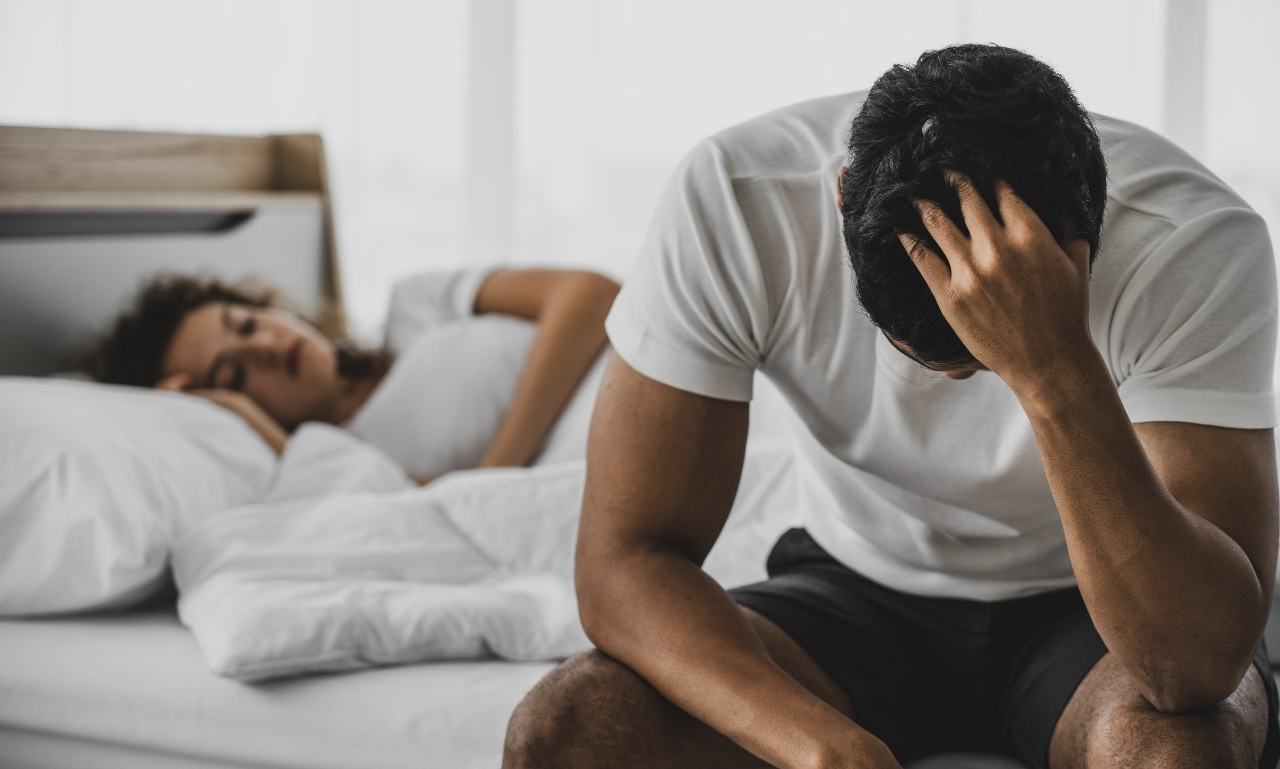
Infidelity alters the emotional experience of a marriage, even when couples decide to stay together. The sense of safety that once felt natural often disappears, replaced by uncertainty and emotional alertness.
The relationship may continue, but it no longer feels effortless. Trust becomes cautious, closeness feels fragile, and emotional comfort is harder to access.
Common changes couples experience after infidelity include:
Loss of emotional security
The betrayed partner may feel anxious instead of relaxed, even during ordinary moments.Repeated mental replay of the betrayal
Thoughts about what happened return without warning, making it difficult to feel present or calm.Increased self-doubt and comparison
Many people question their worth or compare themselves to the person involved in the infidelity.Conditional trust
Trust may still exist, but it depends on reassurance, transparency, and constant emotional monitoring.Emotional distance during intimacy
Physical or emotional closeness may trigger discomfort rather than connection.
These shifts explain why marriage never feels the same after infidelity, even when both partners want the relationship to work.
What Is Considered Infidelity in a Marriage
Infidelity refers to behaviours that cross emotional, physical, or digital boundaries within a marriage and break trust through secrecy or betrayal. It is not defined only by sexual acts, but by actions that violate the expectations and agreements of the relationship.
What matters most is not the category of behaviour, but whether it damages trust, emotional safety, or commitment.
Emotional Infidelity
Emotional infidelity occurs when one partner forms a private emotional bond outside the marriage that replaces emotional closeness within it. This may involve sharing personal struggles, seeking comfort, or prioritising another person for emotional support.
Even without physical involvement, emotional infidelity can weaken intimacy and create distance between partners by redirecting emotional energy away from the marriage.
Physical Infidelity
Physical infidelity involves sexual contact with someone outside the marriage. It breaks the expectation of exclusivity and often causes immediate emotional shock, loss of trust, and long-term relational instability.
For many couples, physical infidelity is especially difficult to process because it directly challenges both emotional and physical boundaries.
Cyber Infidelity
Cyber infidelity includes secretive online behaviour such as sexting, explicit messaging, using dating apps, or engaging in paid sexual content while concealing it from a partner.
Although digital, these actions can have real emotional consequences, particularly when they involve secrecy, deception, or emotional attachment.
What is considered infidelity varies from one marriage to another. A behaviour that feels acceptable in one relationship may feel deeply violating in another. This is why clearly defined boundaries are essential.
Open communication about expectations does not prevent all betrayals, but it reduces confusion and unmet assumptions, which often contribute to emotional distance long before infidelity occurs.
Why Some Changes After Infidelity Are Permanent
Some changes after infidelity do not fully reverse, even when couples stay together and actively work on the relationship. This does not mean healing is impossible, but it does mean the marriage rarely returns to its original emotional state.
Trust Becomes More Conscious, Not Automatic
Before infidelity, trust often exists quietly in the background. After betrayal, trust usually becomes deliberate and monitored. The betrayed partner may need reassurance, transparency, and consistency to feel safe, even years later. This shift does not always fade with time, it becomes part of how the relationship functions.
Emotional Safety Feels Fragile
Infidelity often disrupts a person’s sense of emotional safety. Even in moments of closeness, a subtle fear of being hurt again may remain. This can lead to emotional caution, where one partner holds back to protect themselves, even while wanting intimacy.
Memories Do Not Disappear
The memory of betrayal does not vanish simply because forgiveness is offered. Certain situations, conflicts, or emotional lows can reactivate the pain unexpectedly. While these reactions may soften over time, the memory itself usually remains accessible, shaping how the relationship is experienced.
Relationship Dynamics Shift
After infidelity, many marriages operate with new rules. Boundaries may become firmer, communication more structured, and expectations more explicit. While this can create stability, it also means the relationship no longer feels spontaneous or effortless in the same way it once did.
A Changed Sense of Security
Even when commitment is reaffirmed, the assumption of permanence can be altered. Some partners report feeling that the relationship is more conditional than before. This awareness may not dominate daily life, but it often exists quietly beneath the surface.
These changes explain why marriage never feels the same after infidelity. The relationship may continue, improve, or even strengthen in certain ways, but it does so with a different emotional framework than before.

Can a Marriage Heal Even If It’s Never the Same?
Yes, a marriage can heal after infidelity, even though it may never feel the same as it once did. Healing does not mean erasing what happened or returning to the earlier version of the relationship. It means building something different, with greater awareness, structure, and emotional honesty.
For some couples, infidelity exposes problems that were long ignored. When both partners are willing to take responsibility, communicate openly, and confront uncomfortable truths, the relationship can become more intentional than before. In these cases, healing comes from understanding patterns, setting clearer boundaries, and learning how to respond to conflict in healthier ways.
What Healing Can Look Like
Healing often shows up as better communication, increased emotional awareness, and a clearer understanding of each other’s needs. Couples may become more transparent with their feelings, more deliberate about time together, and more respectful of emotional limits. Trust may rebuild slowly, supported by consistent behaviour rather than promises.
What Healing Does Not Mean
Healing does not mean forgetting the betrayal or pretending it did not matter. It does not mean the pain disappears completely or that insecurity never returns. Expecting the relationship to feel exactly as it did before often leads to frustration and disappointment.
Why Some Couples Heal and Others Don’t
The difference often lies in willingness and accountability. Healing is more likely when the partner who cheated takes responsibility without minimising the impact, and when the betrayed partner is given space to express anger, grief, and doubt without being rushed to forgive. Without these conditions, attempts to move forward often feel forced and fragile.
A marriage can heal after infidelity, but it heals into something new. Accepting that change, rather than fighting it, is often what determines whether the relationship stabilises or continues to suffer.

Why Infidelity Happens in Some Marriages
Infidelity rarely happens in isolation. While cheating is always a personal choice, it often occurs within broader relationship dynamics that have been strained, neglected, or avoided for a long time. Understanding these factors does not excuse betrayal, but it can help couples make sense of how the relationship reached this point.
Emotional Disconnection Over Time
In many marriages, emotional distance builds slowly. Conversations become practical rather than personal, affection decreases, and partners stop feeling seen or understood. When emotional needs remain unspoken or unmet, some individuals seek connection elsewhere instead of addressing the gap directly.
Lack of Physical or Emotional Intimacy
Unaddressed intimacy issues can create frustration and resentment. When physical closeness or emotional bonding fades and is not openly discussed, it can leave one or both partners feeling unwanted or rejected. Rather than communicating these needs, some people look for validation outside the marriage.
Avoidance of Conflict and Communication
Some couples avoid difficult conversations to keep the peace. Over time, unresolved issues accumulate. Infidelity can emerge not from a desire to hurt the partner, but from an inability to confront dissatisfaction directly within the relationship.
Opportunity Without Accountability
In certain situations, infidelity happens because the opportunity exists and boundaries are weak. Travel, increased privacy, or online access can lower inhibitions, especially when personal accountability is already compromised.
Personal Vulnerabilities
Stress, low self-esteem, life transitions, or unresolved personal issues can also increase vulnerability to infidelity. These factors do not cause cheating, but they can influence how individuals cope with dissatisfaction or temptation.
Infidelity does not have a single cause or pattern. Recognising the contributing factors helps couples decide whether the underlying issues can be addressed or whether the relationship has reached a point where repair is no longer realistic.

Can You Fix a Marriage After Infidelity or Is It Healthier to Let Go?
Not every marriage survives infidelity, and staying together is not always the healthiest choice. Deciding whether to repair the relationship or part ways depends on emotional safety, accountability, and the capacity of both partners to engage honestly with what happened.
A marriage is more likely to be repairable when the partner who cheated takes full responsibility without minimising the harm, remains transparent over time, and is willing to make consistent changes. Repair also requires the betrayed partner to have space to express anger, grief, and doubt without being pressured to forgive or move on quickly.
However, some signs suggest that letting go may be healthier. These include repeated infidelity, continued secrecy, emotional manipulation, refusal to seek help, or a pattern of dismissing the betrayed partner’s pain. When trust is repeatedly broken or emotional safety cannot be restored, staying together often prolongs distress rather than healing it.
Choosing to leave does not mean failure. In some cases, ending the relationship allows both individuals to regain stability, self-respect, and emotional clarity. The goal is not to preserve the marriage at any cost, but to prioritise long-term emotional well-being.
This decision is deeply personal and often benefits from professional guidance, especially when emotions are intense or conflicting.

How to Rebuild Trust After Infidelity
Rebuilding trust after infidelity is a gradual process, not a single decision or conversation. Trust returns through consistent behaviour over time, not reassurance alone. Both partners need to understand that healing moves at different speeds, and setbacks are common.
Allow Time and Emotional Space
Healing cannot be rushed. The betrayed partner needs time to process anger, sadness, and confusion without being pressured to “move on.” Taking emotional space, whether through temporary distance or clearer boundaries, can help reduce overwhelm and create room for reflection.
Practice Honest and Ongoing Communication
Open communication is essential, even when conversations feel uncomfortable. Both partners should be able to talk about fears, triggers, and expectations without defensiveness. Regular check-ins can help prevent unresolved emotions from building silently.
Demonstrate Accountability Through Actions
Trust rebuilds when words align with behaviour. Transparency about routines, willingness to answer questions, and consistent follow-through help restore a sense of reliability. Accountability must be sustained, not temporary.
Seek Professional Support
Working with a couples therapist experienced in infidelity can provide structure and neutrality during recovery. Therapy helps identify underlying issues, manage emotional reactions, and create healthier communication patterns that support long-term repair.
Accept That Trust Will Look Different
Even when trust improves, it may not feel the same as before. Many couples develop clearer boundaries and more intentional communication. Accepting this shift often reduces frustration and supports realistic expectations.
Rebuilding trust is possible, but only when both partners remain engaged, patient, and honest throughout the process.
Final Note: Why Marriage Never the Same After Infidelity
Marriage never feels the same after infidelity because trust, emotional safety, and certainty are fundamentally altered. Even when couples choose to stay together, the relationship does not return to its earlier form. What changes is how partners relate to each other, how secure they feel, and how trust is experienced over time.
For some couples, this shift leads to ongoing pain, emotional distance, or repeated cycles of hurt. For others, it becomes the point where deeper honesty, stronger boundaries, and more intentional connection finally develop. Healing, when it happens, does not erase the betrayal, it reshapes the relationship around greater awareness and accountability.
There is no single right outcome after infidelity. Staying together is not always a sign of strength, and leaving is not a sign of failure. What matters most is whether emotional safety, respect, and honesty can realistically be rebuilt.
Infidelity leaves many people feeling confused, guarded, and emotionally stuck. You don’t have to navigate this alone. Our infidelity counselling sessions at PsychiCare provide a safe space to process what happened and decide what healing looks like for you.
FAQs
Why does infidelity still hurt even years after it happened?
Infidelity can hurt for years because it disrupts emotional safety, not just trust. The nervous system remembers betrayal as a threat, which is why pain can resurface during stress, conflict, or vulnerability. Time alone does not heal this, emotional repair does.
Why do I feel worse after forgiving my partner for cheating?
Feeling worse after forgiveness is common because forgiveness does not immediately restore safety. Many people forgive before their emotions are fully processed, which can lead to suppressed anger, grief, or confusion surfacing later. Forgiveness is a process, not a single decision.
Why do I keep thinking about the person my partner cheated with?
The mind often fixates on the third person as a way to make sense of the betrayal. Comparison and intrusive thoughts are attempts to regain control and understanding after trust is broken. These thoughts usually ease when emotional security is slowly rebuilt.
Why does my relationship feel fragile even though my partner is trying now?
After infidelity, effort alone does not immediately restore stability. The relationship may feel fragile because emotional safety has not yet returned, even if behaviour has improved. Stability rebuilds through consistency over time, not sudden change.
Is it normal to love my partner but still want to leave after infidelity?
Yes, it is normal to love someone and still recognise that the relationship no longer feels safe or sustainable. Love does not automatically remove the impact of betrayal. Many people leave not because love is gone, but because trust and peace have not returned.
Why do I feel emotionally distant during intimacy after cheating?
Emotional distance during intimacy often happens because closeness now feels risky. The body may react with discomfort even when the mind wants connection. This response is protective and usually softens only when emotional safety is consistently rebuilt.
Why do I doubt myself more than my partner after being cheated on?
Infidelity often leads the betrayed partner to internalise blame, even when they are not responsible. Self-doubt arises from trying to explain the betrayal in a way that feels controllable. Rebuilding self-worth is a key part of healing.
Can a relationship feel peaceful again, or will I always be on guard?
Some people do regain peace, but it usually looks different than before. Peace returns when trust is rebuilt through reliability, boundaries, and emotional responsiveness. For others, staying vigilant becomes exhausting, which can signal that letting go may be healthier.
Why does infidelity change how I see my partner permanently?
Infidelity alters perception because it breaks assumptions about who your partner is and how safe the relationship feels. Even when love remains, innocence is often lost. This shift is common and does not mean healing is impossible.
How do I know if I’m healing or just tolerating the pain?
Healing usually brings increased emotional clarity, stability, and self-trust over time. Tolerating pain feels like constant effort, emotional suppression, or ongoing anxiety. If distress remains unchanged, support may be needed to reassess the relationship.
Why do people say “move on” when infidelity feels impossible to forget?
Many people underestimate how deeply betrayal affects emotional security. Forgetting is not required for healing, but understanding, processing, and rebuilding safety are. Being told to “move on” often invalidates the real impact of infidelity.
Can therapy help even if I don’t know whether I want to stay or leave?
Yes. Therapy is especially helpful when you feel stuck between staying and leaving. A therapist can help clarify emotions, boundaries, and long-term needs without pushing a decision.