Last Updated on October 19, 2026
You still go to work, meet friends, and manage your daily responsibilities. But lately, something feels different. You wake up tired, struggle to enjoy things you once loved, and sometimes feel low without understanding why.
Is this normal sadness, or could it be depression?
The difference between sadness and depression is not simply how unhappy you feel. Sadness is a natural human emotion, while depression is a mental health condition involving a pattern of symptoms that may affect your mood, energy, thinking, and daily functioning.
Understanding these differences can help you recognise when emotional changes deserve closer attention and when seeking professional support may be helpful.
What Is the Difference Between Sadness and Depression?
Sadness often follows disappointment, loss, conflict, or other difficult experiences. Although it can feel intense, it does not necessarily indicate a mental health condition.
Depression involves more than sadness alone. It can affect how you experience pleasure, manage responsibilities, concentrate, sleep, and feel about yourself.
| What to Compare | Sadness | Depression |
|---|---|---|
| Emotional experience | Often connected to disappointment, loss, or distress | Persistent low mood, reduced interest or pleasure, or both |
| Duration | May last hours, days, or longer, particularly after a major loss | A major depressive episode involves symptoms lasting at least two weeks |
| Enjoyment | Moments of happiness, comfort, or enjoyment often remain possible | Interest or pleasure in usual activities may be significantly reduced |
| Other symptoms | May temporarily affect sleep, appetite, or concentration | Often involves several emotional, physical, and thinking-related symptoms |
| Daily functioning | May temporarily disrupt routines, particularly during grief | Can cause significant distress or impairment, even when responsibilities are maintained |
These are general differences, not fixed rules. A person experiencing sadness can struggle for weeks, while someone with depression may still laugh, enjoy particular moments, or appear cheerful around others.
Why Duration Alone Cannot Tell the Difference
Consider two people who have felt low for three weeks.
One is grieving the death of a family member. They experience painful waves of sadness but also find occasional comfort in memories and conversations with loved ones.
The other has gradually lost interest in most activities, feels exhausted throughout the day, and struggles to concentrate at work.
Both deserve understanding and support. However, their experiences raise different clinical questions, and neither can be diagnosed from this description alone.
Grief and depression can also occur together. The length of someone’s sadness, by itself, cannot establish whether they have depression.
What Are the Signs That Your Low Mood Could Be Depression?
Feeling sad occasionally is part of life. Greater concern arises when several changes occur together, persist, and represent a noticeable difference from how you usually feel.
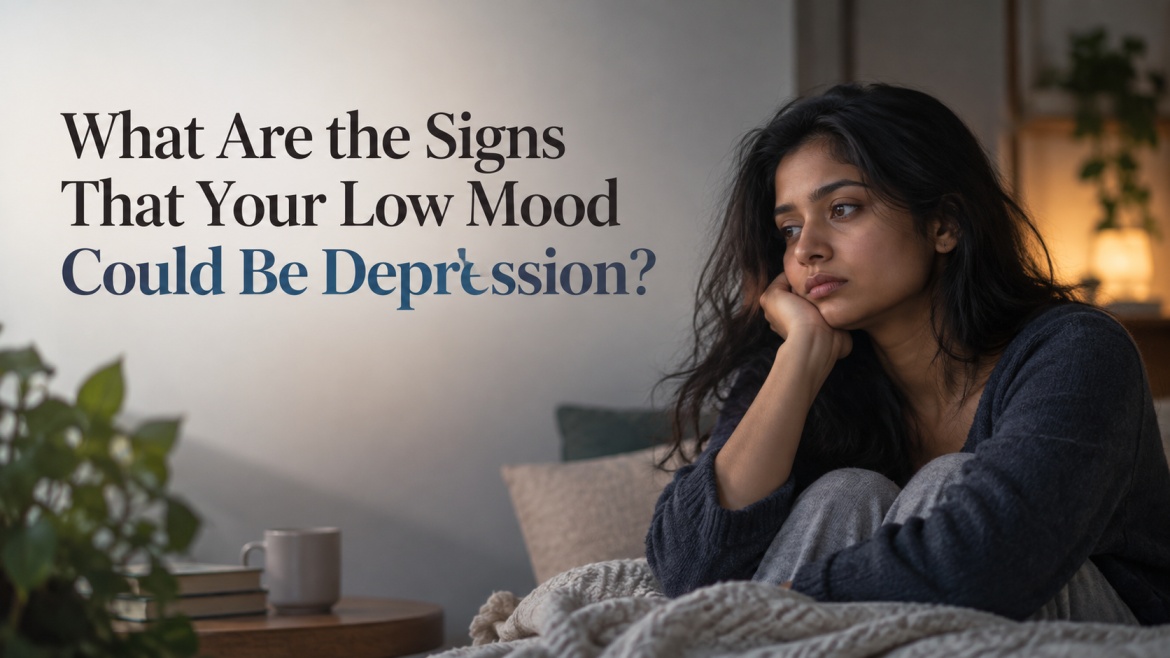
Common symptoms associated with depression include:
- Loss of interest: Activities, hobbies, or social interactions that previously felt enjoyable no longer seem rewarding.
- Persistent fatigue: You experience unusually low energy, even after resting.
- Changes in sleep: You struggle to fall asleep, wake frequently, or sleep much more than usual.
- Appetite or weight changes: You notice a significant change in eating habits or weight without intending it.
- Difficulty concentrating: Reading, making decisions, remembering information, or completing familiar tasks becomes harder.
- Feelings of worthlessness or excessive guilt: You repeatedly blame yourself or feel inadequate.
- Hopelessness: You find it difficult to imagine situations improving.
- Changes in movement or activity: You may feel unusually restless or noticeably slowed down.
Not everyone experiences the same combination of symptoms. Their severity and effect on everyday life can vary considerably.
Depression Does Not Always Feel Like Sadness
Some people describe depression as emotional emptiness rather than unhappiness.
They may not cry frequently or feel visibly upset. Instead, they notice that activities have become less interesting, conversations require more effort, or enjoyable experiences no longer create the same feelings.
This reduced ability to experience interest or pleasure is called anhedonia. It is an important symptom associated with depression, although it can occur in other conditions as well.
You can learn more about anhedonia and loss of interest and how it may affect everyday experiences.
The presence of individual symptoms does not confirm depression. A proper assessment considers the broader pattern and possible explanations.
Does Feeling Sad for Two Weeks Mean You Have Depression?
No. Feeling sad for two weeks does not automatically mean you have depression.
The two-week period is an important part of the diagnostic criteria for a major depressive episode, but duration is only one consideration.
During a depressive episode, depressed mood or loss of interest is typically present most of the day, nearly every day, for at least two weeks. Other symptoms must also be considered.
A qualified professional evaluates factors such as:
- Which symptoms are present and how frequently they occur.
- Whether they represent a change from your usual functioning.
- The distress or difficulties they cause.
- Whether physical health conditions, medications, or other factors may explain them.
For example, sadness following bereavement can continue for considerably longer than two weeks without automatically indicating a depressive disorder.
At the same time, depression may develop following a painful life event. Having an understandable reason for feeling low does not rule it out.
The two-week threshold should also never prevent someone from asking for help earlier. Severe distress, rapidly worsening symptoms, or concerns about personal safety deserve prompt attention.
Can You Have Depression Even When Life Looks Normal?
Yes. People experiencing depression do not always appear visibly distressed or unable to manage daily responsibilities.
Someone might attend work regularly, care for children, maintain friendships, and participate in family gatherings while experiencing persistent low mood or other depressive symptoms.
From the outside, their routine may appear unchanged.
However, completing ordinary tasks might require far more effort than before. They may struggle with concentration, feel exhausted after social interactions, or have little energy left for activities they enjoy.
This difference between outward functioning and internal experience matters.
Continuing to meet responsibilities does not rule out depression. A person may maintain their routine while experiencing considerable emotional distress.
The term high-functioning depression is sometimes used to describe this experience. However, it is not a formal psychiatric diagnosis.
Our article on high-functioning depression explains why someone can appear productive while experiencing depressive symptoms.
Equally, having difficult days while continuing to work does not automatically indicate depression. A clinician considers the complete picture rather than making assumptions based on outward appearance.
When Is Sadness a Response to Life, and When Does It Need Assessment?
Sadness often has an understandable place in our emotional lives.
Losing a loved one, experiencing a breakup, facing financial difficulties, or dealing with ongoing family conflict can affect your mood and routine.
During these periods, you might cry more often, struggle with motivation, or prefer spending time alone. Such reactions are not automatically signs of a mental health disorder.
There is no universal timetable for recovering from an upsetting experience.
However, it is worth considering professional assessment when emotional changes persist, become increasingly difficult to manage, or involve several symptoms associated with depression.
What If You Know Exactly Why You Feel Sad?
Knowing what caused your distress does not always make it easier to understand what you are experiencing.
For example, someone may initially feel sad after losing a job. Over time, they might also develop persistent hopelessness, significant sleep problems, reduced appetite, and difficulty managing everyday activities.
A difficult event may explain why someone is distressed, but it does not automatically determine whether they are experiencing depression.
The important question is how their symptoms develop and affect their well-being.
What If There Is No Clear Reason?
Some people notice a persistent change in mood without identifying a particular event that triggered it.
They may feel unusually tired, disconnected, or unable to enjoy familiar activities despite no obvious changes in their circumstances.
Depression can occur without an identifiable trigger. However, similar symptoms can also be associated with physical health conditions, sleep difficulties, medication effects, or other concerns.
For example, thyroid problems and certain medications may contribute to fatigue or mood changes.
A healthcare professional can consider these possibilities and determine whether further medical evaluation is appropriate.
How Can You Understand What Your Low Mood Means?
You do not need to diagnose yourself, but noticing changes in your usual emotional and physical well-being can help you decide what to discuss with a professional.
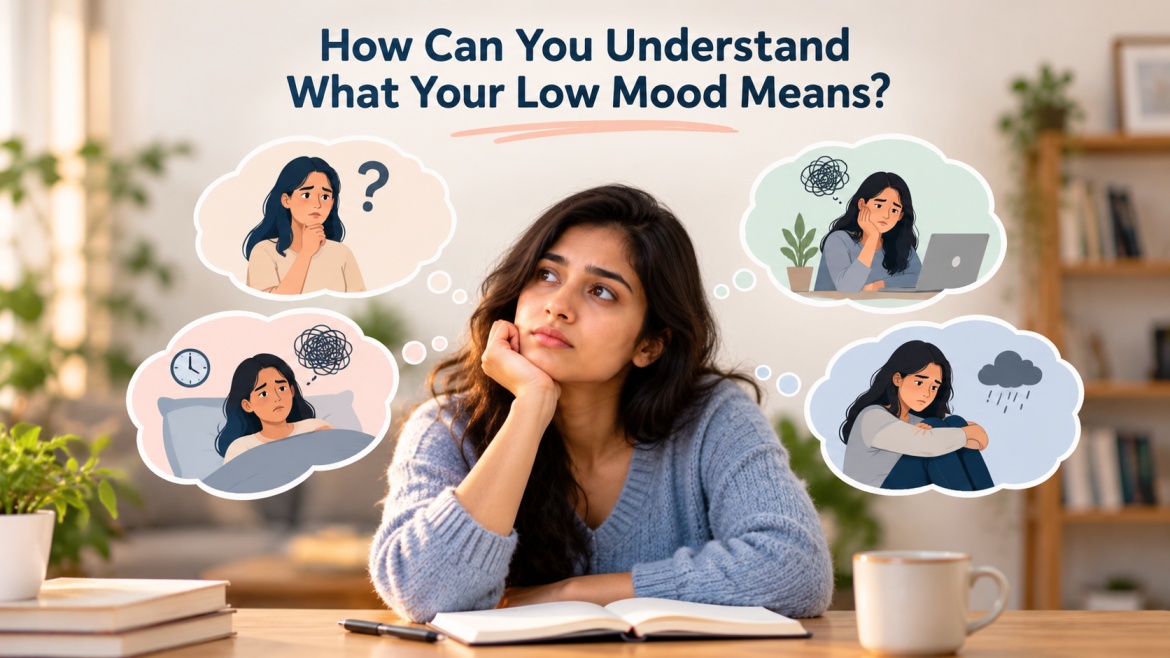
Start with three questions.
1. Has Something Changed From How I Normally Feel?
Think about your usual energy, interests, motivation, and emotional responses.
Perhaps you previously enjoyed weekends with friends but now find socialising exhausting. Or ordinary tasks that once felt manageable have become unusually difficult.
A noticeable change from your usual experience can provide useful information.
2. Are Several Difficulties Happening Together?
Consider whether low mood is accompanied by changes in sleep, appetite, energy, concentration, or feelings about yourself.
One difficult symptom may have several possible explanations. When multiple symptoms occur together, particularly over time, professional assessment may help clarify what is happening.
3. How Much Is This Affecting My Everyday Life?
You might still complete your responsibilities while finding them increasingly difficult.
Notice whether you are withdrawing from activities, struggling to maintain routines, or experiencing distress that does not seem to improve.
These questions are not a depression test. Their purpose is to help you recognise changes worth discussing rather than reaching a diagnosis on your own.
What Should You Do if You Cannot Tell Whether It’s Sadness or Depression?
You do not have to wait until you are certain that something is wrong before seeking support.
If your mood has changed noticeably, consider keeping a brief record of when the changes began, which symptoms you experience, and how they affect your daily activities.
Pay attention to sleep, energy, concentration, appetite, and interest in things you previously enjoyed. You can share these observations with a psychologist or doctor.
A professional assessment can help distinguish depression from grief, adjustment difficulties, physical health concerns, or other possible explanations.
According to the World Health Organization, effective treatments for depression are available, including psychological therapies.
Depending on an individual’s symptoms and circumstances, appropriate care may include psychological treatment, medical evaluation, medication, or a combination of approaches.
Not everyone experiencing sadness requires clinical treatment. Support should reflect the person’s actual needs rather than assuming every period of low mood is depression.
If you are experiencing suicidal thoughts, feel unable to keep yourself safe, or cannot manage essential daily needs, seek urgent medical attention. In India, call 112 for an immediate emergency or visit the nearest emergency department.
Talking to a Psychologist About Persistent Low Mood
A psychologist can help you explore changes in mood, understand their effect on your life, and identify appropriate next steps.
At PsychiCare, qualified mental health professionals provide support for adults experiencing persistent low mood, loss of interest, and concerns related to depression.
You can explore PsychiCare’s depression counselling services to learn about available psychologists and choose professional support suited to your concerns.