Last Updated on January 7, 2026
If your child struggles with everyday tasks like dressing, eating, writing, focusing in class, or handling sensory experiences, you may wonder whether occupational therapy is needed. Many parents feel unsure about where normal development ends and when extra support might help.
Occupational therapy supports children in building the motor, sensory, emotional, and self-care skills they use every day. It is not about labels, it is about helping your child function more comfortably and confidently at home, school, and in social settings.
This guide explains why a child may need occupational therapy, the most common signs parents notice, and when it is worth seeking professional advice.
What Is Occupational Therapy for Kids?
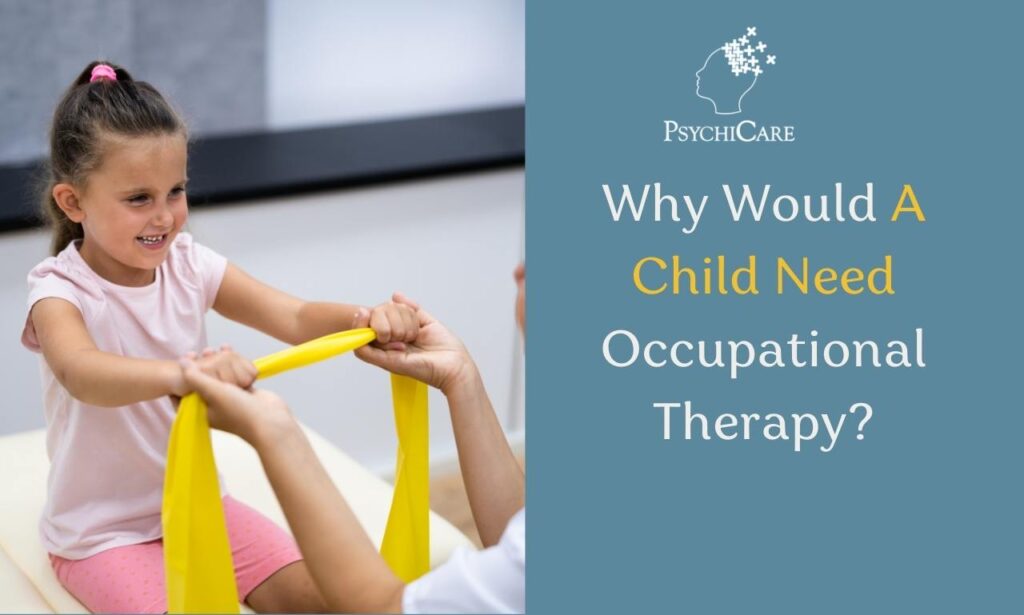
Occupational therapy for kids helps children develop the skills they need to manage everyday activities independently. This includes tasks such as dressing, eating, writing, playing, and participating in school routines.
Rather than focusing on a diagnosis, occupational therapy looks at how a child functions in daily life. Therapists support children in improving motor skills, sensory processing, emotional regulation, and confidence through structured, age-appropriate activities.
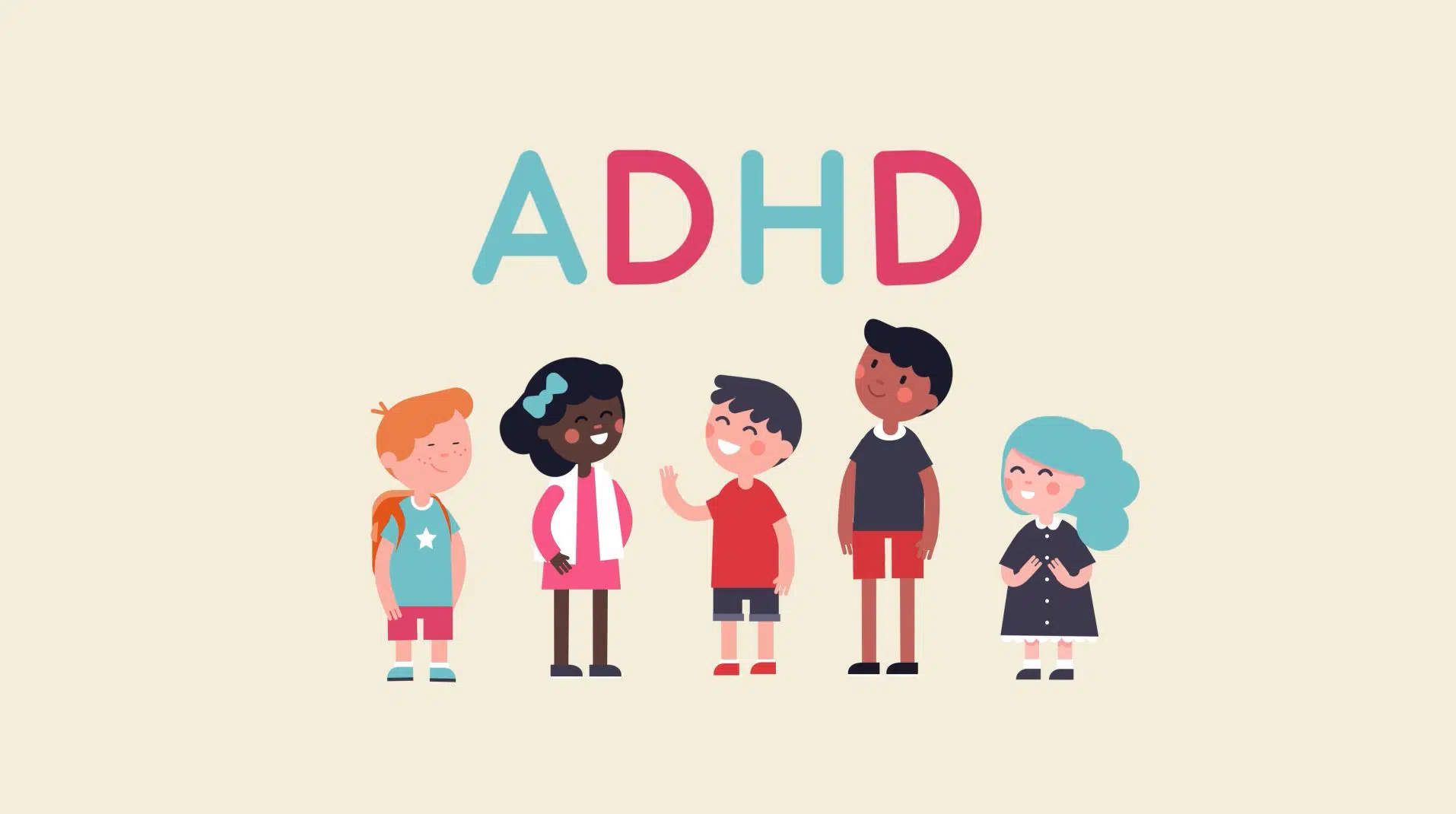
Occupational therapy is commonly used for children with autism, ADHD, or sensory processing difficulties, but it can benefit any child who struggles with daily tasks, learning, or self-care.
Why Would a Child Need Occupational Therapy?
Parents often notice small struggles before anyone else, difficulty with dressing, frustration during homework, emotional outbursts, or a child avoiding play and social situations. These challenges may seem minor at first, but over time they can affect confidence, behaviour, and learning.
Occupational therapy helps when these everyday difficulties start interfering with a child’s ability to function comfortably at home, school, or with peers. It focuses on practical skills, emotional regulation, sensory processing, and independence, using activities that feel natural and age appropriate.
Children may need occupational therapy for many different reasons. The sections below explain the most common situations where occupational therapy can make a meaningful difference.
Your Child Has Birth Injuries or Congenital Conditions
If your child experienced complications around birth or was born with a congenital condition, they may benefit from occupational therapy. These conditions can affect how a child develops physical, sensory, or daily living skills.
Some examples of birth-related conditions that may impact a child’s development include:
- Cerebral palsy
- Spina bifida
- Brachial plexus injuries
- Down syndrome
- Muscular dystrophy
These conditions can make everyday activities such as dressing, feeding, writing, or playing more challenging. Occupational therapy helps children develop the skills they need to function more independently and participate more comfortably at home, school, and in social settings.

Your Child Has Sensory Processing Difficulties
As a parent, it can be challenging to watch your child struggle with sensory processing difficulties. Some children have trouble processing everyday sensory information, which can affect how they respond to sounds, textures, movement, or changes in their environment. In these situations, occupational therapy can be helpful.
Your child may benefit from occupational therapy if they experience:
- Difficulty with fine motor skills, such as holding a pencil or buttoning clothes
- Avoidance of certain textures, tastes, or smells
- Over- or under-sensitivity to light, sound, touch, or movement
- Difficulty with balance and coordination
- Difficulty transitioning between activities or environments
- Challenges with social interaction and communication
- Difficulty regulating emotions or behaviour
- Difficulty with self-care tasks such as brushing teeth or getting dressed
- Limited play skills or reduced engagement in age-appropriate activities
- Difficulty with attention and focus
Occupational therapy helps children gradually improve how they process sensory input and develop coping strategies that make daily activities feel more manageable and less overwhelming.
Your Child Has a Traumatic Brain or Spinal Cord Injury
If your child has experienced a traumatic brain injury or spinal cord injury, occupational therapy can help support recovery and daily functioning. These injuries may affect how a child moves, thinks, communicates, or manages everyday activities, even after the initial medical treatment is complete.
Your child may benefit from occupational therapy if they experience:
- Difficulty with fine motor skills, such as grasping objects or manipulating buttons
- Difficulty with self-care tasks such as bathing, dressing, or feeding
- Challenges with balance and coordination
- Difficulty with memory, attention, or problem-solving
- Difficulty with communication or social interaction
- Changes in vision or visual perception
- Difficulty regulating emotions or behaviour
- Pain or discomfort that limits daily function
- Limited mobility or reduced range of motion
Occupational therapy focuses on helping children regain practical skills, adapt to changes, and rebuild confidence so they can participate more fully at home, school, and in social environments.
Your Child Has Learning Difficulties
If your child is struggling with learning challenges at school, occupational therapy can be a valuable form of support. These difficulties are often related to how a child processes information, plans tasks, or manages motor and attention skills rather than intelligence.
Your child may benefit from occupational therapy if they experience:
- Difficulty holding a pencil or using classroom tools
- Feeling lost or overwhelmed during lessons
- Getting easily distracted or struggling to stay focused
- Messy handwriting or poor control while writing
- Mixing up letters or numbers
Occupational therapy helps children develop the underlying skills needed for learning, such as fine motor control, visual processing, attention, and organisation, making school tasks feel more manageable and less frustrating.
Your Child Is on the Autism Spectrum
Children on the autism spectrum may benefit from occupational therapy to support everyday functioning and independence. Occupational therapy focuses on helping autistic children build practical skills in a way that respects their individual strengths, needs, and sensory experiences.
A child on the autism spectrum may benefit from occupational therapy support with:
- Sensory processing and regulation
- Fine motor skills, such as writing or using utensils
- Gross motor skills, including balance and coordination
- Social participation and play skills
- Self-care skills such as dressing, feeding, and personal hygiene
Occupational therapy helps create structured, supportive strategies that make daily routines more manageable and help children feel more confident at home, school, and in social environments.

Your Child Has Juvenile Idiopathic Arthritis
If your child has juvenile idiopathic arthritis (JIA), they may benefit from occupational therapy. JIA is a chronic inflammatory condition that affects the joints and can make everyday activities such as writing, dressing, or playing more difficult due to pain, stiffness, or fatigue.
Occupational therapy helps children with JIA learn practical strategies to protect their joints, manage discomfort, and maintain independence. With the right support, children can continue to participate in school, play, and daily routines while improving comfort and quality of life.
Your Child Has Mental Health or Behavioural Challenges
If your child is experiencing emotional or behavioural challenges, occupational therapy can be a helpful form of support. These challenges may show up as difficulty managing emotions, coping with change, interacting with others, or staying engaged in daily routines.
Through occupational therapy, children learn practical skills to regulate emotions, improve attention, strengthen social participation, and develop healthy coping strategies. Therapy is tailored to the child’s age, needs, and environment, making support feel natural and achievable.
Exploring occupational therapy can be a positive step in supporting your child’s emotional wellbeing and helping them function more comfortably at home, school, and in social settings.
Your Child Has Broken Bones or Orthopaedic Injuries
If your child has experienced a fracture or other orthopaedic injury, occupational therapy can support recovery and help them return to everyday activities safely. Injuries can temporarily affect strength, coordination, and confidence when performing routine tasks.
An occupational therapist works with your child to create a personalised plan that may include guided activities, movement exercises, and practical strategies to restore function while protecting the injured area during healing.
Occupational therapists may also recommend adaptive tools or techniques to make daily tasks such as dressing, writing, or eating easier and more comfortable throughout the recovery process.
How Do Physical Therapy and Occupational Therapy Differ?
Physical therapy (PT) and occupational therapy (OT) are both important forms of rehabilitation that help children and adults recover from injuries, medical conditions, or developmental challenges. While they often work alongside each other, they focus on different goals.
Here are the key differences between physical therapy and occupational therapy:
Physical Therapy (PT):
- Focuses on improving movement, strength, balance, and range of motion
- Often involves exercises, stretches, and physical activities to restore mobility
- May include the use of assistive devices such as braces, walkers, or crutches
- Commonly recommended after injuries, surgeries, or physical trauma
Occupational Therapy (OT):
- Focuses on helping individuals perform everyday activities such as dressing, eating, writing, or bathing
- Teaches practical techniques or introduces adaptive tools to make daily tasks easier
- Supports independence at home, school, and work
- Often recommended for developmental conditions, chronic health issues, or difficulties with daily functioning

What Are the Benefits of Occupational Therapy for Kids?
Occupational therapy offers practical, meaningful benefits that help children function more confidently in their daily lives. The focus is not only on skill development, but also on improving independence, emotional wellbeing, and participation at home and school.
Some of the key benefits of occupational therapy for children include:
- Improved ability to perform everyday tasks such as dressing, feeding, toileting, and managing personal routines
- Development of communication and social skills through structured, play-based activities
- Increased independence, which can boost self-esteem, confidence, and emotional wellbeing
- Stronger fine motor skills needed for writing, drawing, cutting, and using utensils
- Better hand-eye coordination, supporting activities like sports, music, and classroom tasks
- Improved sensory processing and emotional regulation, helping children respond more calmly and appropriately to their environment
- Occupational therapy supports children in building skills that carry over into real-life situations, helping them feel more capable, confident, and engaged as they grow.
Who Provides Occupational Therapy?
Occupational therapy is provided by licensed occupational therapists (OTs) and occupational therapy assistants (OTAs). These professionals are trained to support children and adults in developing, maintaining, or regaining skills needed for everyday life.
Occupational therapists complete a master’s or doctoral degree in occupational therapy and are qualified to assess needs, create treatment plans, and guide therapy. Occupational therapy assistants complete an accredited associate-level programme and work under the supervision of an occupational therapist.
Both OTs and OTAs work with individuals across all age groups, including children, to support daily activities such as self-care, school participation, play, and social interaction.
How Can We Find an Occupational Therapist?
If you are looking for an occupational therapist for your child, a good starting point is to speak with your child’s paediatrician, family doctor, or school support team. They can help assess concerns and provide a referral when occupational therapy may be beneficial.
Another option is to explore online therapy services, which can be especially helpful if in-person services are limited or difficult to access. Platforms like PsychiCare offer online occupational therapy services, allowing children and families to receive professional support from home.
Licensed occupational therapists use evidence-based approaches to assess needs, set goals, and support children in building everyday skills. Online therapy can be a flexible and effective option for families seeking timely guidance and ongoing support.

FAQs About Occupational Therapy for Children
How Do I Explain Occupational Therapy to My Child?
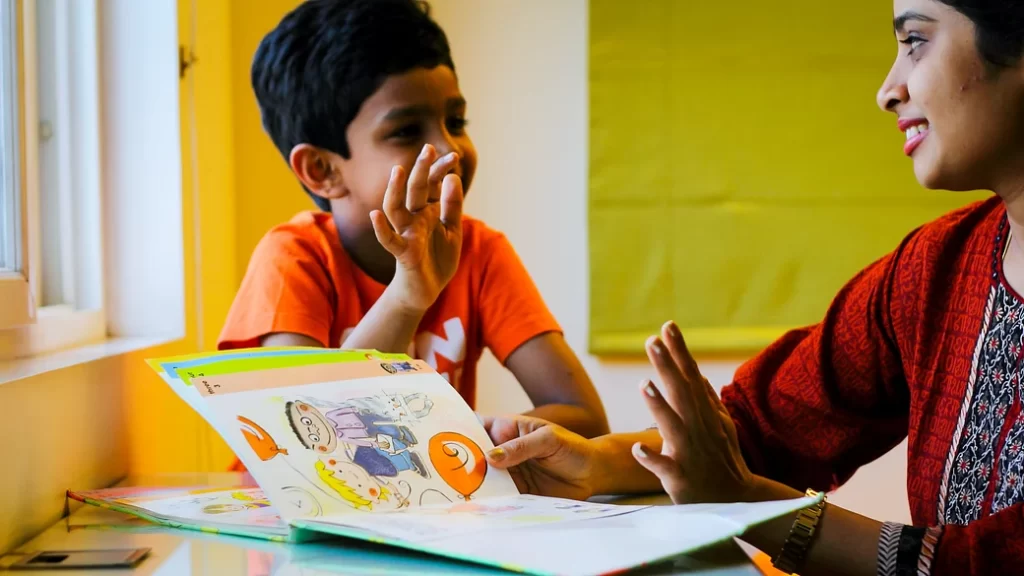
Occupational therapy can be explained as activities and games that help children do everyday things more easily. Therapists help children practice skills like dressing, writing, playing, and managing feelings in a way that feels fun and supportive rather than medical.
How Long Will My Child Need Occupational Therapy?
The duration of occupational therapy depends on your child’s needs and goals. Some children benefit from short-term support, while others may need ongoing therapy. Progress is reviewed regularly, and therapy is adjusted based on your child’s development.
How Can I Make Occupational Therapy Easier for My Child?
You can support your child by keeping therapy positive, encouraging effort rather than perfection, and following home activities suggested by the therapist. Making therapy feel playful and part of daily routines often helps children engage more comfortably.
When Should I Contact an Occupational Therapist?
You should consider contacting an occupational therapist if your child struggles with everyday activities, emotional regulation, attention, coordination, or school participation, especially if these difficulties affect confidence or daily functioning.
Does Occupational Therapy Help with Behaviour and Emotional Regulation?
Yes. Occupational therapy can help children develop coping strategies, improve emotional regulation, and manage sensory or behavioural challenges that affect daily life at home and school.
Is Occupational Therapy Only for Children with Diagnoses?
No. Occupational therapy is not limited to children with a medical or developmental diagnosis. Many children benefit from therapy simply because they need extra support with everyday skills, learning, or emotional regulation.
How Do I Know If Occupational Therapy Is Working?
Progress may show as improved independence, better emotional regulation, increased confidence, or greater participation in school and play. Therapists regularly review goals and share updates with parents.