Last Updated on November 25, 2025
Reviewed by a Clinical Psychologist – Updated December 2025
You’ve probably read dozens of articles about why love hurts, but the truth is, most of them are written without any psychological grounding.
Anyone can tell you “love is painful,” but not everyone is qualified to explain why it hurts, what actually happens in your brain, and how to reduce the pain in a healthy way.
As a clinical psychologist and couples therapist who has spent years working with individuals struggling with heartbreak, attachment wounds, and relationship trauma, I want to give you a clearer, science-backed understanding of why love can hurt so deeply and what you can realistically do to feel better.
What Does “Love Pain” Actually Mean? (Psychological Definition)
When people say “love hurts”, they are not imagining it. In psychology, love pain refers to the emotional and physical discomfort that comes from attachment, loss, fear, uncertainty, or unmet needs in a relationship. It is a real response, created by the same brain networks that process physical pain.
Love pain is not just sadness. It often includes:
- emotional overwhelm
- anxiety or tightness in the chest
- obsessive thinking
- feeling rejected or abandoned
- a sudden loss of safety
- a sense of emptiness when love doesn’t go the way you hoped
This happens because love activates the reward system in the brain. When connection feels threatened, the same system reacts with distress signals, which is why heartbreak can feel like a physical ache.
So when you ask, “Why does love hurt?” or “Why does loving someone hurt so much?”, the answer is simple:
Your mind and body are responding to a perceived loss of safety, connection, or certainty.
It is not just emotion; it is biology, attachment, memory, and fear, all happening at once.
Why Does Love Hurt So Much? 7 Psychological and Biological Reasons
Love can feel exciting, intense, and deeply fulfilling, yet the pain of love can be equally powerful. Many people tell me, “I don’t understand why love hurts so much,” or “Why does my heart hurt when I love someone?”
The truth is, there are very real psychological and biological reasons that explain why love is painful, and why emotional pain in love often feels heavier than physical pain.
Below are the most common reasons people experience love pain, based on clinical patterns I see in therapy.
1. Fear of Losing Someone You Love
Fear is one of the strongest triggers behind why loving someone hurts.
When you deeply care for someone, even the idea of losing them activates threat pathways in the brain. This can create:
- insecurity
- emotional tension
- jealousy
- overthinking
- fear-driven attachment
This explains why love hurts even in healthy relationships, love makes you vulnerable, and vulnerability often feels risky.
2. Old Wounds and Attachment Trauma
Your past plays a major role in why love hurts so much today.
People with past experiences of:
- rejection
- abandonment
- emotional neglect
- inconsistent affection
are more likely to experience heightened emotional distress in relationships.
This is one of the biggest reasons behind love pain meaning in clinical terms:
when the present touches the wounds of the past, the emotional response becomes stronger and more painful.

3. Dopamine Highs and Crashes (Why Falling in Love Hurts)
In the early stages of connection, the brain releases:
- dopamine
- oxytocin
- serotonin
- endorphins
This creates emotional highs.
But when uncertainty or conflict appears, these chemicals drop sharply, which is why falling in love hurts, and why emotional withdrawal can feel like a crash.
This sudden drop explains:
- emptiness
- restlessness
- anxiety
- physical discomfort
It is the biological foundation of why love hurts so much during heartbreak.
4. Anxiety, Overthinking and Emotional Uncertainty
Uncertainty is one of the strongest predictors of emotional pain in love.
If you don’t know where you stand in the relationship, your mind creates painful possibilities:
- “What if they stop loving me?”
- “What if I’m not enough?”
- “What if they leave?”
This anxiety explains why love is painful even when nothing is technically wrong.
The mind responds to uncertainty as if it were danger.
5. Unmet Expectations and Emotional Disappointment
When expectations don’t match reality, the pain of love feels sharper.
Many people grieve:
- the future they imagined
- the version of the person they hoped for
- the emotional closeness they expected
This disappointment makes love hurt more because it feels like losing something that never fully existed.
6. Loving Too Much (Emotional Overinvestment)
When your life becomes centred around one person, the emotional system becomes fragile.
This is a major reason behind love hurts so much for many people.
Emotional overinvestment can lead to:
- dependency
- idealisation
- loss of self
- fear of being alone
This pattern is one of the clearest explanations for why does love hurt so much, especially in intense or fast-paced relationships.
7. Why Heartbreak Feels Like Physical Pain
One of the most common questions I hear is,
“Why does my heart hurt when I love someone?”
Scientific reason:
The brain processes emotional pain in the same region as physical pain, the anterior cingulate cortex.
That’s why heartbreak can cause:
- chest heaviness
- tightness
- nausea
- loss of appetite
- headaches
Your brain literally interprets the pain of love as a physical threat.
Why Does Love Hurt in a Relationship?
Many people are surprised that love can feel painful even when the relationship itself is still intact. As a psychologist, I see this often, couples who genuinely care for each other yet still experience emotional hurt, distance or confusion. Relationship pain doesn’t always mean the relationship is wrong; it usually means something inside the relationship needs attention.
Here are the most common reasons why love hurts in a relationship, based on real clinical patterns.
1. Emotional Disconnection
Love hurts when the emotional bond starts to weaken, even slightly.
You may still live together, talk daily, or share a routine, but if you don’t feel seen, heard, or understood, the emotional gap becomes painful.
Signs include:
- feeling unseen or invisible
- feeling lonely even when you’re not alone
- missing the closeness you once had
This disconnection is one of the strongest predictors of relationship pain.
2. Miscommunication and Unspoken Needs
Most relationship hurt begins not with big fights, but with small moments where needs are not communicated clearly.
Examples include:
- wanting more affection but not saying it
- wanting reassurance but pretending to be strong
- expecting your partner to “just know”
The gap between what you feel and what you express creates emotional pressure.
Over time, this becomes one of the biggest reasons love hurts in relationships.
3. Fear of Rejection or Abandonment
Fear is a powerful source of emotional pain.
Even in a stable relationship, old insecurities can show up:
- “What if they stop loving me?”
- “What if I’m not enough?”
- “What if someone better comes along?”
This fear makes the emotional system hyper-sensitive, which is why love hurts more when you’re scared of losing someone.
4. Attachment Styles Colliding
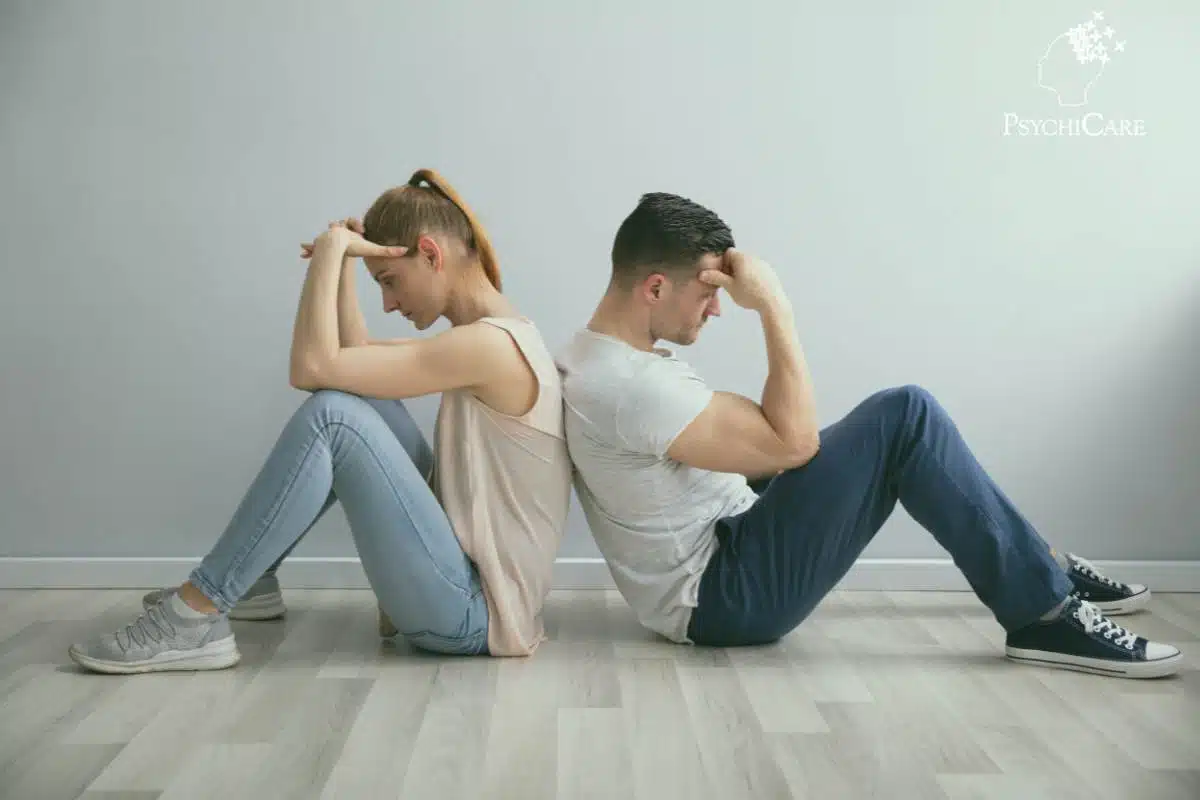
In couples therapy, this is one of the most common reasons love becomes painful.
Examples:
- an anxious partner needs closeness
- an avoidant partner needs space
- both partners misunderstand each other’s needs
This mismatch creates a cycle:
one pulls closer → the other pulls away → both feel hurt
This explains why love hurts even when you care deeply for each other.
5. Unmet Emotional Expectations
A relationship often hurts when your inner expectations don’t match your partner’s behaviour:
- wanting more communication
- wanting emotional support
- wanting appreciation
- wanting intimacy
- wanting consistency
When these expectations stay unmet, the disappointment becomes the pain of love, not because the relationship is wrong, but because your emotional needs feel unheard.
6. Resentment From Past Incidents
Emotional pain builds when past hurts are not fully repaired.
Even small incidents, being ignored, dismissed, criticised, or misunderstood, can accumulate over time.
Resentment forms when one or both partners feel:
- unappreciated
- misunderstood
- taken for granted
- emotionally exhausted
This unresolved resentment is a major cause of why love hurts so much in relationships.
7. Losing Yourself in the Relationship
When you stop prioritising your own needs, friendships, hobbies, or identity, you begin to shrink emotionally.
This leads to:
- emotional dependency
- lack of self-worth
- burnout in the relationship
- feeling trapped
This loss of self is one of the most silent but powerful forms of relationship pain.
The Pain of One-Sided Love: Why It Hurts the Most
One-sided love is one of the most intense forms of emotional pain. In therapy, I often see that people struggling with unrequited love, deep attachment without reciprocation, or loving someone who doesn’t feel the same way experience the sharpest form of heartbreak. This isn’t just sadness; it’s a complete emotional conflict between what your heart wants and what reality offers.
Here’s why one-sided love hurts so much, psychologically and biologically.
1. Your Brain Forms an Attachment Without Permission
When you fall for someone, your brain begins creating an emotional bond, even if the other person hasn’t reciprocated.
This attachment activates:
- longing
- desire
- emotional dependency
- fear of rejection
Because the connection is not mutual, your emotional brain is constantly in a state of hope and anxiety, which makes the pain of love even stronger.
2. You Grieve a Relationship That Never Happened
One-sided love hurts intensely because you aren’t just losing a person, you’re losing:
- the future you imagined
- the closeness you hoped for
- the version of love you created in your mind
Psychologically, this is called ambiguous loss, a loss that feels real even though nothing officially began.
This creates a heartbreak that feels confusing and emotionally heavy.
3. Rejection Activates the Same Area as Physical Pain
Unrequited love triggers the same brain region associated with physical pain.
That’s why one-sided love can cause:
- chest aches
- nausea
- loss of sleep
- emotional numbness
- difficulty concentrating
Your brain interprets rejection as a threat to emotional safety, making the pain feel physical.
4. You Keep Hoping for Signs That Don’t Exist
One-sided love keeps you in a loop of:
- “Maybe they do care…”
- “Maybe they will realise one day…”
- “Maybe if I wait a little longer…”
This cycle of hope → disappointment → hope exhausts the emotional system and creates deep, long-lasting hurt.
5. Your Self-Worth Gets Entangled With Their Acceptance
When someone you love doesn’t choose you, it can feel like a reflection of your worth—even though it isn’t.
This leads to:
- self-doubt
- insecurity
- comparison
- feeling “not enough”
This emotional pattern explains why one-sided love hurts more than mutual heartbreak.
6. You Give Without Receiving Anything Back
One-sided love naturally creates imbalance:
- you invest emotionally
- you think about them constantly
- you care about their feelings
- you prioritise their happiness
But you receive little to nothing in return.
This emotional over-investment leads to exhaustion, loneliness, and the feeling that love hurts so much, no matter what you do.
7. You Don’t Get Closure
One of the hardest parts is the lack of clarity.
There is no actual breakup, no conversation, no clear ending, only silence or subtle avoidance.
Without closure, the emotional wound stays open, making the pain linger longer than in mutual breakups.
Why Heartbreak Feels Like Physical Pain (Science Explained)
One of the most confusing parts of love pain is how physical it feels.
People often tell me:
- “My chest hurts.”
- “My heart literally aches.”
- “I feel sick when I think about them.”
- “Why does love hurt physically?”
As a clinical psychologist, I can confirm this is not dramatic; it is biological. The emotional pain of heartbreak is processed in the same neural pathways as real physical pain.
Here’s the science behind it.
1. The Brain Confuses Emotional Pain With Physical Pain
When you experience heartbreak, rejection, or emotional loss, the anterior cingulate cortex becomes highly active.
This is the exact same region that lights up when you:
- burn your hand
- get injured
- feel sharp physical pain
This overlap explains why heartbreak hurts like a real injury.
2. Sudden Loss of Emotional Connection Creates Physical Distress
When love is stable, your brain releases:
- oxytocin (bonding hormone)
- dopamine (reward hormone)
- serotonin (mood stabiliser)
But when you lose love or even fear losing it, your brain experiences a dramatic chemical drop.
This sudden withdrawal causes:
- chest heaviness
- loss of appetite
- headaches
- nausea
- restlessness
- trouble sleeping
This is why the pain of love feels physical, not just emotional.
3. Rejection Triggers the Brain’s “Threat Response System”
Your brain evolved to view rejection as danger.
When someone important pulls away or the relationship ends, your nervous system reacts as if you are unsafe.
This triggers:
- racing heart
- tightness in the chest
- sweating
- shaking
- stomach discomfort
This threat response is one of the biggest reasons love hurts so much during heartbreak.
4. Heartache Activates Stress Hormones
Emotional loss activates cortisol—the body’s stress hormone.
High cortisol can cause:
- muscle tension
- migraines
- digestive issues
- rapid heartbeat
- inflammation
This is the biological basis of heartache, and why your entire body can feel like it’s shutting down when love ends.
5. The Brain Grieves the Loss of Attachment
When you love someone, your brain forms an attachment that feels like emotional safety.
Losing that attachment creates:
- panic
- shock
- confusion
- emotional withdrawal
- physical emptiness
This explains why heartbreak can feel as severe as grieving a major life event.
It isn’t just emotional pain; it’s attachment pain, processed through both the emotional and physical pain networks.
6. Your Nervous System Loses Its Anchor
In a loving relationship, your partner becomes part of your emotional regulation.
Their presence, voice, messages, and routines calm your nervous system without you realising it.
When the relationship breaks or the connection is threatened, your nervous system loses that stability.
This creates:
- shakiness
- tightness
- crying spells
- exhaustion
- chest pain
- shortness of breath
This neurological destabilisation is one of the strongest reasons why heartbreak hurts so deeply.
4 Signs You Are Experiencing Love Pain (Emotional and Physical)
Love pain shows up in ways most people don’t immediately recognise. As a psychologist, I see that emotional hurt often appears through a mix of physical symptoms, behavioural changes, and shifts in thinking patterns.
These signs indicate that the emotional system is overwhelmed by fear, loss, uncertainty, or unmet needs.
Emotional Signs of Love Pain
- feeling anxious, restless, or on edge
- constant sadness or emotional heaviness
- mood swings or irritability
- feeling lonely even when you’re not alone
- craving attention or reassurance
- feeling emotionally numb
- sudden crying spells
- feeling rejected even without clear rejection
These emotional reactions are typical when the attachment system is activated.
Cognitive Signs (Changes in Your Thinking)
- replaying conversations repeatedly
- overanalysing every message or silence
- intrusive thoughts about the person
- imagining painful scenarios
- difficulty focusing on work or studies
- believing you’re “not enough”
- idealising the person and minimising your own needs
These patterns show that your mind is stuck in a loop of uncertainty and fear.
Physical Signs of Love Pain
Love pain activates the same brain region responsible for physical pain, which is why the body reacts strongly:
- chest tightness or a “heartache” sensation
- headaches or migraines
- stomach discomfort or nausea
- loss of appetite or emotional eating
- fatigue and low energy
- insomnia or disturbed sleep
- heaviness in the body
- restlessness or trembling
These symptoms are common when the brain interprets emotional distress as physical threat.
Behavioural Signs You’re Struggling More Than You Admit
- isolating yourself
- compulsively checking your phone
- monitoring someone’s social media
- losing interest in hobbies
- avoiding responsibilities
- withdrawing from friends
- trying too hard to impress the person
- difficulty controlling impulses
These behaviours often appear before a person even realises how deeply love hurts.
Things You Do That Make Love Hurt More
When experiencing heartbreak, some individuals engage in self-destructive behaviors, such as negative self-talk, self-blame, and pushing away potential new relationships.
These self-sabotaging tactics can perpetuate feelings of unworthiness and prolong the healing process.
For those seeking structured recovery from emotional pain, online outpatient rehab can provide a supportive framework to rebuild confidence and emotional well-being.

How to Stop Love Pain and Heal Emotionally (10 Psychologist-Backed Ways)
Love pain doesn’t disappear on its own. Healing requires intentional, emotionally healthy steps. These are 10 evidence-based methods I use with clients who feel overwhelmed by heartbreak, rejection, or one-sided love.
1. Regulate Your Nervous System Before Anything Else
When love hurts, your brain enters a threat state.
Start with grounding techniques:
- slow breathing
- splashing cold water
- walking
- deep exhalation
Your body must feel safe before your mind can think clearly.
2. Stop Replaying the Same Painful Story
Rumination is the biggest reason love pain lasts longer.
Each time you replay:
- what they said
- what you wished happened
- what went wrong
…the brain reactivates the same emotional pain network.
Interrupt the cycle with journaling or thought-stopping techniques.
3. Accept the Reality Instead of the Fantasy
Many people suffer because they hold onto:
- imagined futures
- fantasies of how someone “could” be
- idealised versions of the relationship
Acceptance reduces emotional conflict and brings clarity.
4. Reduce Emotional Dependency
If your emotional world revolves around one person, love hurts more.
Start rebuilding:
- your routine
- your interests
- your self-worth
- your friendships
Independence reduces emotional intensity.
5. Challenge Self-Blame and Negative Inner Narratives
Love pain often activates harsh self-talk:
- “I wasn’t enough.”
- “If I were better, they’d love me.”
- “This is my fault.”
Replace these with healthier interpretations.
A relationship ending is not proof of personal failure.
6. Set Boundaries With Your Mind and Your Behaviour
Healthy boundaries reduce emotional overexposure.
Examples:
- limit checking their social media
- avoid re-reading old chats
- reduce late-night overthinking triggers
- avoid contacting them during emotional spikes
Boundaries protect your healing process.
7. Reconnect With Your Identity Outside the Relationship
Love pain often feels intense because you lose parts of yourself.
Start rebuilding your identity by:
- exploring old hobbies
- reconnecting with passions
- meeting friends
- learning something new
The more whole you become, the less love hurts.
8. Move Your Body to Release Emotional Tension
Exercise is one of the fastest ways to reduce emotional pain.
Movement releases:
- endorphins
- stored stress
- emotional heaviness
Even 20 minutes a day can shift your emotional state.
9. Allow Yourself to Grieve Without Rushing the Process
Grief is not a sign of weakness.
Love pain is a real form of loss, and your body needs time to adjust.
Give yourself permission to:
- cry
- rest
- feel
- process
Healing happens when you stop fighting the emotion.
10. Seek Professional Support When the Pain Feels Overwhelming
A psychologist or therapist can help you understand:
- attachment wounds
- patterns from past relationships
- why you love the way you do
- how to build emotional security
- how to prevent repeating the same pain
Sometimes you don’t need to suffer alone; support accelerates healing.
Is Heartbreak Worse Than Breaking a Leg?
When it comes to pain, heartbreak, and physical injuries are two entirely different experiences. Comparing the pain of heartbreak to breaking a leg is like comparing apples to oranges.
Heartbreak is a deep emotional pain that stems from the loss of love or a cherished relationship while breaking a leg is a physical injury with tangible symptoms. Both experiences can be painful, but they affect individuals in distinct ways.
Is It Really Love That Hurts, or Is It Your Past?
Often, our past experiences and unresolved emotions can influence how we perceive and react to love. If we have experienced heartbreak or trauma in the past, it can color our current relationships and make us more susceptible to feeling hurt.
Understanding and addressing past wounds can help us navigate love in a healthier and more fulfilling way.

Love Hurts, But When It Works Out, It’s Amazing
While love can be painful, it also has the potential to be one of the most beautiful and rewarding aspects of life. When love works out and is reciprocated, it can bring unparalleled joy, fulfillment, and a sense of belonging.
The journey of love may involve ups and downs, but finding a deep and lasting connection can make the pain of past heartbreaks worthwhile.
How to Love Without Hurting Yourself (Healthy Relationship Skills)
One of the most common questions I hear as a psychologist is, “How do I love without getting hurt again?”
The truth is, love will always bring some level of vulnerability, but you can reduce unnecessary pain by loving in a healthier, more secure way.
These skills help you build relationships that feel safer, more balanced, and emotionally stable.
1. Don’t Rush Emotional Intimacy
Love hurts more when it develops too fast.
Give the relationship time to grow naturally.
Let trust build slowly so your attachment system doesn’t activate prematurely.
2. Keep Your Identity Independent
Relationships hurt less when you maintain:
- your goals
- your interests
- your friendships
- your personal routine
The more grounded you remain in your own life, the less your self-worth depends on a single person.
3. Communicate Needs Early and Clearly
Unspoken needs create disappointment.
Learning to communicate honestly prevents:
- misunderstandings
- silent resentment
- emotional buildup
Healthy communication keeps love from turning into emotional pain.
4. Set Emotional Boundaries That Protect Your Heart
Boundaries are not walls.
They are guidelines that prevent overexposure and reduce the intensity of love pain.
Examples:
- not tolerating disrespect
- taking space when overwhelmed
- saying no without guilt
- not giving more than you receive
Healthy boundaries make love feel safe.
5. Choose Emotional Availability, Not Emotional Potential
A lot of love pain comes from loving someone for:
- who we wish they could be
- who they were during the best moments
- who we imagine they might become
Choose a partner who is emotionally present right now.
Not someone who has potential but no consistency.
6. Avoid Making One Person Your Only Source of Happiness
When all your joy, validation, and sense of purpose come from one person, love becomes painful.
Balance your emotional world across:
- work
- hobbies
- friendships
- self-growth
This reduces the emotional weight on the relationship.
7. Learn How to Self-Soothe Your Emotions
Instead of depending on someone else to regulate your feelings, practice:
- deep breathing
- grounding techniques
- journaling
- taking a walk
- listening to calming music
A regulated nervous system is less reactive, which means love hurts less.
8. Don’t Ignore Early Red Flags
Ignoring patterns like:
- inconsistency
- mixed signals
- dismissive responses
- disrespect
- avoidance
…always leads to deeper hurt.
Psychologically, the earlier you acknowledge signs, the less painful the outcome.
9. Build Relationships That Feel Like Teamwork
Love hurts less when you feel:
- supported
- valued
- safe
- emotionally held
Relationships should feel like two people working together, not one person chasing, giving, or overfunctioning.
10. Heal Past Wounds Before Entering New Relationships
Unhealed past pain always shows up in new love.
Work on:
- attachment wounds
- patterns you repeat
- self-worth
- emotional triggers
Healing makes love feel lighter and more secure.
Why Does Love Hurts Quotes
Love pain is something almost everyone experiences at some point, which is why “love hurts quotes” is one of the most searched topics worldwide. These lines capture the emotional depth, confusion, and vulnerability that often accompany heartbreak and one-sided love.
Here are meaningful, psychologist-approved quotes you can safely use:
- “Love hurts the most when the heart holds on to someone the mind knows it must let go.”
- “You don’t always cry because you’re weak. Sometimes you cry because you cared too deeply.”
- “The pain of love stays long after the person leaves.”
- “Sometimes the heart breaks slowly, one disappointment at a time.”
- “You feel the deepest pain from the people you gave the deepest love.”
- “Nothing hurts more than loving someone who is emotionally unavailable.”
- “Heartbreak isn’t just emotional, it’s the body remembering the loss.”
- “Love is beautiful, but losing your emotional home hurts more than anything else.”
- “The hardest goodbyes are the ones you never got to say.”
- “When love is real, it heals. When love is unbalanced, it hurts.”
- “You can miss someone deeply and still know they weren’t good for your heart.”
- “Unrequited love is a silent grief no one sees.”
- “Love hurts when the heart writes a story the other person never read.”
- “Sometimes the pain you feel is the love you never received.”
- “The deeper you love, the deeper it hurts when it ends.”
FAQs About Why Love Hurts
1. Why is love painful?
Love is painful because the brain processes emotional hurt and physical pain in the same neural region. When connection feels threatened, the nervous system reacts with stress, fear, and physical discomfort.
2. Is love supposed to hurt?
Love is not supposed to hurt, but it becomes painful when communication is unclear, emotional needs are unmet, or past attachment wounds are triggered.
3. What is the most painful thing in love?
The most painful thing in love is emotional disconnection, loving someone deeply while not receiving the same emotional effort, affection, or security in return.
4. Why does loving someone hurt so much?
Loving someone hurts so much because strong attachment increases emotional sensitivity; any distance, silence, or uncertainty activates fear and rejection pathways in the brain.
5. What type of love is the most painful?
The most painful type of love is one-sided love, where your emotional investment is not matched by the other person.
6. How do I stop love pain?
To stop love pain, regulate your emotions, set boundaries, reduce rumination, rebuild self-worth, and allow your body time to adjust to emotional loss.
7. Why does my heart hurt when I love someone?
Your heart hurts when you love someone because heartbreak activates the anterior cingulate cortex, the same area that processes physical pain, creating real chest heaviness or tightness.
8. Can true love hurt?
True love itself does not hurt; unhealed insecurities, past trauma, and unmet emotional needs create the pain often mistaken as “true love hurting.”
9. Why does falling in love hurt sometimes?
Falling in love hurts sometimes because dopamine and oxytocin spikes create emotional highs, and uncertainty causes those levels to drop quickly, leading to emotional discomfort.
10. How long does love pain last?
Love pain lasts as long as your attachment to the person remains active; healing begins when emotional dependency decreases and acceptance increases.
Final Thoughts
Love is one of the most powerful human experiences, and because of that, it can also become one of the most painful. When attachment, expectation, fear, or uncertainty combine, the emotional system reacts strongly — sometimes more strongly than we expect or understand.
The important thing to remember is this:
Love pain is not a sign that you are weak, broken, or unlovable.
It is a natural response from a mind and body that cares deeply, attaches deeply, and hopes deeply.
Understanding why love hurts – biologically, psychologically, and emotionally – gives you the clarity to heal without blaming yourself. With healthier boundaries, emotional regulation, and a more secure sense of self, love becomes safer, more stable, and far less overwhelming.
Love will always carry some vulnerability, but it does not have to be destructive. Learning to love with awareness is what turns emotional pain into emotional growth.