
Last Updated on March 19, 2025
Sex is supposed to be fun. It’s exciting, pleasurable, and something everyone looks forward to. But what if it hurts?
If it’s your first time, some pain is normal. Your body is adjusting, and things might feel uncomfortable. But if sex keeps hurting, and it’s killing your mood or making you not want it at all, that’s a serious problem.
You’re not alone. Up to 75% of women experience pain during sex at some point, according to the American College of Obstetricians and Gynecologists. The pain can happen anywhere—around the vulva, at the vaginal opening, or deep inside. Some women even feel it in their pelvis, uterus, or bladder. Wherever it is, it’s ruining something that should feel amazing.
So, why is this happening? And more importantly, what can you do about it? Let’s figure it out.
Is It Normal to Have Pain During Sex?
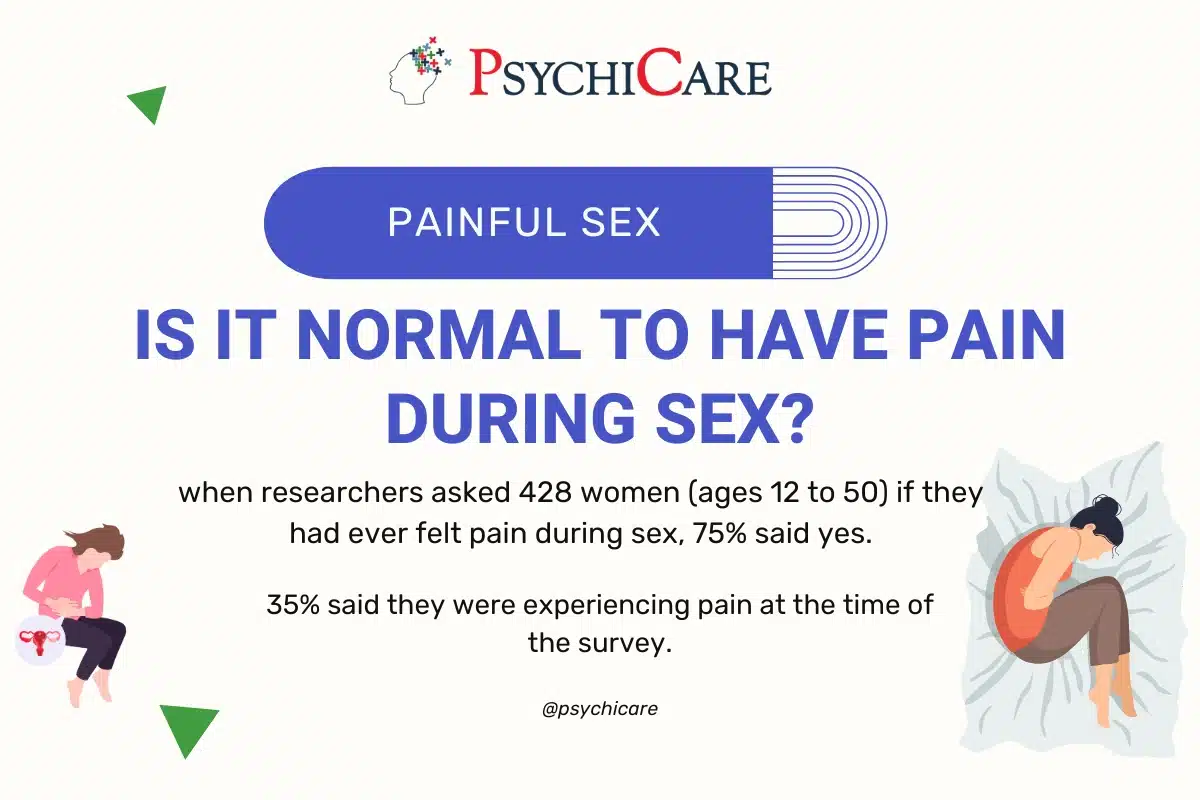
Let’s talk about what’s actually normal. In medical terms, something is considered normal if it happens to more than 5% of people. So, when researchers asked 428 women (ages 12 to 50) if they had ever felt pain during sex, 75% said yes.
Now, 25% didn’t respond—maybe they weren’t sexually active or just didn’t want to talk about it. But here’s what we know from those who did:
- 39% said they never had pain (which, let’s be real, is hard to believe—at least the first time usually hurts).
- 27% said they had pain at some point in their life.
- 35% said they were experiencing pain at the time of the survey.
So, by medical standards, pain during sex is normal because it happens to more than 5% of women. But just because it’s common doesn’t mean you have to live with it.
Possible Causes of Painful Sex (Dyspareunia)
If sex is painful, there’s always a reason. Maybe it’s a simple fix, like using more lube, or maybe it’s a sign of something deeper. Let’s break down the most common causes with real-life examples.
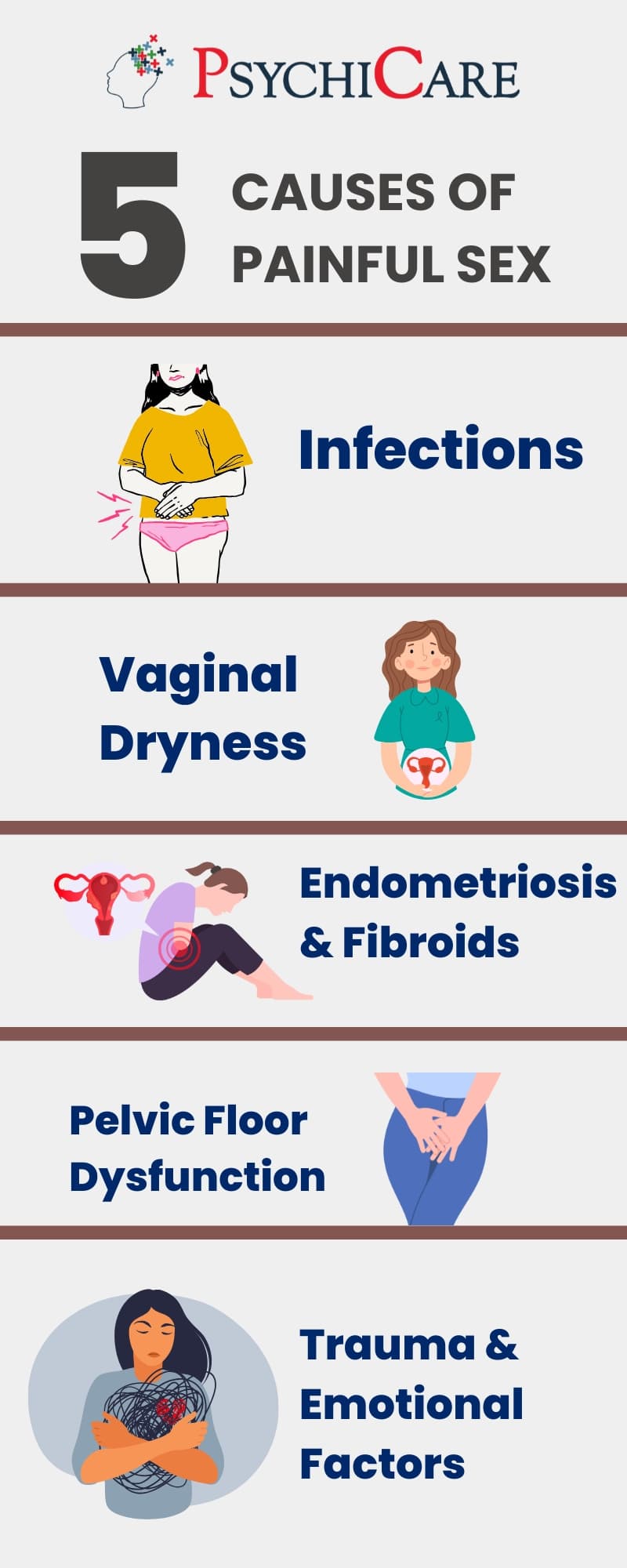
1. Infections
Imagine this: You’re having sex, and suddenly, it feels like you’re on fire down there. The burning sensation lingers even after you’re done. You might have an infection.
- STIs (Sexually Transmitted Infections) – Chlamydia, gonorrhea, herpes, and other STIs can cause inflammation and pain.
- Vaginal infections – A yeast infection or bacterial vaginosis can lead to itching, irritation, and discomfort.
- UTIs (Urinary Tract Infections) – Ever feel a sharp, stinging pain during sex? It could be a UTI. These can make sex painful and leave you feeling like you constantly need to pee.
2. Vaginal Dryness
You’re totally in the mood, but no matter what you do, things feel dry and uncomfortable. It’s like trying to slide on a water slide without water.
- Low estrogen levels – This happens during menopause, after childbirth, or while breastfeeding. Without enough estrogen, natural lubrication decreases.
- Perimenopause – Hormonal changes before menopause can also cause dryness and irritation.
3. Endometriosis & Fibroids
Ever had deep pain during penetration that feels like your insides are being pulled or stabbed? That could be endometriosis or fibroids.
- Endometriosis – This condition causes tissue similar to the uterine lining to grow outside the uterus, leading to pain during deep penetration.
- Uterine fibroids – These non-cancerous growths can press on the vaginal walls, making sex feel uncomfortable or even unbearable.
4. Pelvic Floor Dysfunction
Imagine trying to open a door, but the hinges are rusted shut. That’s what happens when your pelvic floor muscles tighten too much during sex.
- Vaginismus – Involuntary muscle spasms make penetration painful or impossible.
- Pelvic floor dysfunction – Weak or overly tight pelvic muscles can make sex feel uncomfortable, like hitting a wall.
5. Trauma & Emotional Factors
Sex is as much mental as it is physical. If you’ve had a bad experience—whether it’s past trauma, stress, or relationship issues—it can show up as pain.
- Anxiety, depression, or stress – Your body tenses up when your mind isn’t in the right place.
- Past trauma – If you’ve had negative sexual experiences, your body might instinctively tighten up to protect itself.
- Relationship problems – If you’re not emotionally connected with your partner, your body might not respond the way you want it to.
6. Medications & Other Irritants
Sometimes, the problem isn’t your body—it’s what you’re putting in it.
- Medications – Birth control, antidepressants, and allergy meds can mess with lubrication and sex drive.
- Allergic reactions – Some people react badly to condoms, lubes, or even laundry detergents.
- Not enough foreplay – If you’re rushing into sex without enough arousal, it’s going to hurt.
How to Stop Sex from Hurting
Pain during sex isn’t something you have to put up with. There’s always a reason for it—and there’s always a way to make things better. Here are some things that can help:
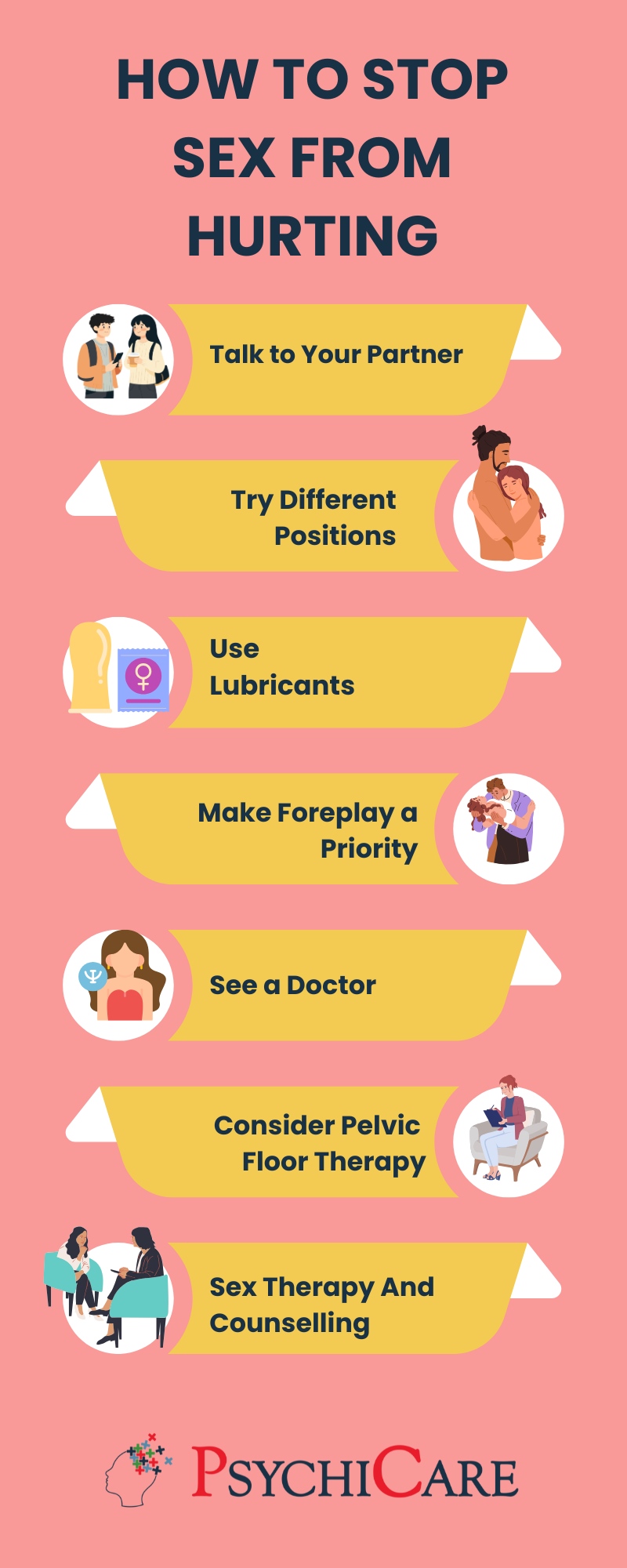
Talk to Your Partner
If sex hurts, don’t suffer in silence. Tell your partner what feels good and what doesn’t. Maybe you need more time before penetration, a slower pace, or a different position. Being open can make sex better for both of you.
Try Different Positions
Not all positions feel the same. If missionary hurts, try being on top, spooning, or rear entry. Experiment and see what works best for your body.
Use Lubricants
Dryness is a common cause of painful sex. A good lube can make a huge difference. Try water-based, silicone, or aloe-based options. If one doesn’t work, try another—just avoid oil-based lubes if your partner is using a condom.
Make Foreplay a Priority
Your body needs time to get ready. Rushing into penetration before you’re fully aroused can make sex painful. Take your time. Enjoy kissing, touching, and teasing until your body naturally lubricates itself.
See a Doctor
If the pain is frequent or severe, don’t ignore it. A doctor can check for infections, hormonal imbalances, or other medical conditions that could be causing discomfort.
Consider Pelvic Floor Therapy
If your pelvic floor muscles are too tight or weak, sex can hurt. A physical therapist can help you learn exercises to strengthen and relax these muscles, making sex more comfortable.
Sex Counseling
Sometimes, past trauma, anxiety, or stress can make sex painful. A sex therapist can help you work through any mental blocks affecting your body.
Painful sex isn’t normal, and you don’t have to just deal with it. There are ways to make it better—you just have to find what works for you.
Frequently Asked Questions About Painful Sex
Q: What causes discomfort during intercourse?
Sex can hurt for many reasons. It could be dryness, infections, or even stress. Some women feel pain because of medical conditions like endometriosis. If this keeps happening, don’t ignore it. Talking to a doctor or using PsychiCare’s online sexologist consultation can help you figure out what’s wrong.
Q: What are some emotional factors that lead to painful sex?
Your mind plays a big role in how your body reacts to sex. Stress, anxiety, or past trauma can make you tense up, causing pain. If you’re not mentally into it, your body might not be ready. PsychiCare’s online sex therapy can help you work through emotional barriers.
Q: How do you know if your sexual challenges are emotional or physical?
If sex hurts only in certain positions or when dry, it might be a physical issue. If pain happens during stress or bad moods, emotions could be the cause. Sometimes, it’s both. A PsychiCare online sexologist can help figure out what’s really going on.
Q: Where do women experience pain during sex?
Pain can be at the entrance, deep inside, or even in the lower belly. Some feel a burning sensation, others feel sharp pain. Knowing where it hurts helps find the cause. A sexologist consultation can give you the right answers.
Q: When should you see a healthcare provider about painful sex?
If sex always hurts, if the pain is getting worse, or if you’re avoiding sex because of it, see a doctor. Pain is not normal. PsychiCare’s online sex therapy can help you find solutions and make sex enjoyable again.
Q: What types of treatments are available for painful sex?
It depends on what’s causing the pain. Lubricants help dryness, medications treat infections, and pelvic therapy relaxes tight muscles. If emotions are a factor, counselling works. PsychiCare offers online sexologist consultations to help you find the right treatment.
Q: How common is painful sex?
You’re not alone. Up to 75% of women experience pain during sex at some point. Some only feel it once, while others deal with it for years. Talking about it is the first step to fixing it. Online sex therapy at PsychiCare can help.
Q: What causes sexual response problems?
Low desire, stress, and hormone changes can all affect sexual pleasure. If you’re struggling with arousal, it’s not just in your head—your body might not be responding right. A PsychiCare sexologist consultation can help figure out what’s wrong.
Q: What gynecologic conditions can cause pain during sex?
Endometriosis, fibroids, pelvic infections, and vaginal atrophy are common causes. These can make sex painful and uncomfortable. If you suspect a medical issue, don’t wait. A PsychiCare online sexologist can guide you on what to do next.
Q: What can you expect when seeing a healthcare professional for painful sex?
Your doctor will ask about your pain, medical history, and emotional health. You might need a physical exam or tests. If there’s no medical cause, therapy might be suggested. PsychiCare’s online consultations make it easy to talk about these concerns privately.
Q: Are there things women can do on their own to help with painful sex?
Yes! Use more foreplay, try different positions, and use a good lubricant. Stay relaxed, and take your time. If nothing helps, don’t just suffer—talk to a sexologist. PsychiCare’s online sex therapy is here to help.
Q: How is the cause of painful sex diagnosed?
A doctor will ask about your symptoms and may do an exam or tests. Sometimes the cause is clear, sometimes it’s emotional. PsychiCare offers online sexologist consultations to help you figure it out without the awkwardness of an in-person visit.
Q: Can painful sex be prevented?
In many cases, yes. Stay hydrated, have enough foreplay, and use lubrication if needed. Managing stress and staying in tune with your body helps too. If pain keeps happening, a PsychiCare online sex therapist can help you prevent it.
Q: Are there any complications of painful sex?
Yes. Ignoring pain can make you avoid sex completely, hurt your relationship, or even affect your mental health. Pain is a signal that something’s wrong. Don’t ignore it—get help from an online sexologist at PsychiCare and find a solution.