Last Updated on September 24, 2026
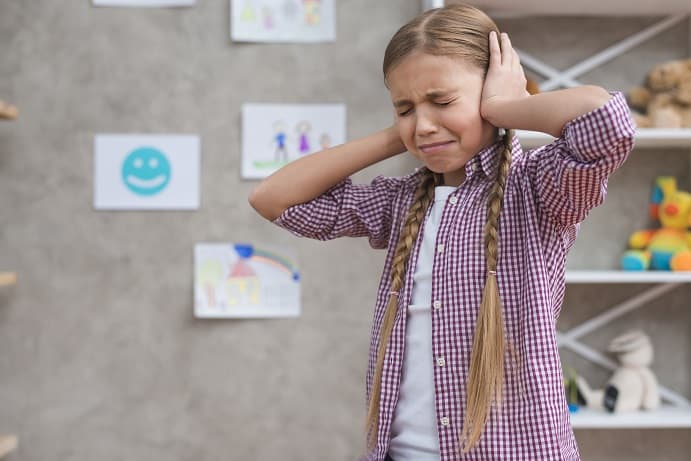
Some children cry after being corrected, losing a game, getting a lower mark than expected, being told no, changing a plan, or hearing a comment that another child might quickly forget.
Parents may start wondering:
“Why does everything affect my child so much?”
“Should I comfort them or am I making them more sensitive?”
“Do they need to become tougher?”
Crying easily does not automatically mean something is wrong. Children differ in temperament and in how quickly they become emotionally overwhelmed. Age, tiredness, stress, confidence, anxiety, frustration tolerance and what is happening at home or school can all affect how strongly a child reacts.
The important question is not how often another child would cry in the same situation. Look at what triggers your child, how difficult it is for them to recover, and whether their emotional reactions are interfering with school, friendships or everyday life.
Why Does My Child Cry Over Small Things?
What looks small to an adult may not feel small to the child.
Common reasons include:
- Naturally sensitive temperament
- Difficulty handling disappointment
- Fear of making mistakes
- Taking criticism very personally
- Low confidence
- Tiredness or poor sleep
- Hunger or overstimulation
- Academic pressure
- Friendship problems
- Bullying or teasing
- Anxiety and excessive worry
- Difficulty expressing anger or frustration in words
- Trouble adjusting when plans suddenly change
- Stress or changes at home
- Difficulty regulating strong emotions
Sometimes several things are happening together. A child who is tired after school, worried about marks and already feeling left out by friends may cry over a small comment at home because it is simply the final stress of the day.
What Can Parents Do When a Child Cries Easily?
Do Not Start With “Stop Crying”
Parents often want to end the crying quickly.
Common responses are:
“Stop crying over everything.”
“This is such a small thing.”
“There is nothing to cry about.”
“You are too sensitive.”
These statements may stop the conversation without helping the child manage the emotion.
A better first step is to identify what actually happened.
For example:
“You were disappointed because you worked hard and still didn’t get the mark you expected.”
or:
“You were excited about going out, and now the plan changed.”
You do not need to agree that the situation is terrible. You are simply helping the child understand what they are feeling.
Calm First, Discuss the Problem Later
Trying to teach a lesson while the child is crying heavily often leads nowhere.
If the child is overwhelmed, allow a few minutes to settle first. Stay calm, reduce extra questions and return to the issue when they can actually talk.
The American Academy of Pediatrics recommends helping children regulate first, then connecting with the emotion before trying to reason through the problem. Parents can read its guidance on helping children manage big feelings.
Once the child is calmer, ask:
“What upset you most?”
“What were you expecting to happen?”
“What could you do next time?”
That moves the conversation from crying to coping.
Do Not Fix Every Disappointment
If a child loses a game and the parent immediately changes the rules, they do not practise handling losing.
If a child forgets homework and the parent always rushes to school with it, they do not experience the manageable consequence.
If another child does not invite them somewhere, parents cannot always make the rejection disappear.
Support the child without removing every uncomfortable feeling.
You can say:
“I know you’re disappointed. What do you think you want to do now?”
The aim is not to make the child stop feeling upset. It is to help them learn that disappointment can be tolerated and recovered from.
Help the Child Put the Feeling Into Words
Some children cry because they do not yet know how to express the emotion clearly.
Help them distinguish between:
- Sad
- Embarrassed
- Angry
- Disappointed
- Left out
- Worried
- Frustrated
- Ashamed
- Overwhelmed
Instead of only:
“Why are you crying?”
try:
“Were you hurt by what she said, or were you embarrassed because everyone heard it?”
Giving the emotion a clearer name can make it easier to talk about what happened.
Watch How You Correct the Child
Some children become especially upset after correction.
That does not mean parents should stop correcting them. But correction can be about the behaviour rather than the child’s character.
Compare:
“You are so careless. You never do anything properly.”
with:
“You left your notebook at school again. Let’s work out how you can remember it tomorrow.”
The second still addresses the problem without turning one mistake into a judgement about the child.
If your child already avoids trying because they are afraid of getting things wrong, PsychiCare’s article on why children lose confidence may help you look at that pattern more closely.
Prepare Them for Changes When You Can
Some emotionally sensitive children find unexpected changes particularly difficult.
A cancelled outing, substitute teacher, guest arriving at home or sudden change in routine may trigger a stronger reaction than parents expect.
When you know a change is coming, tell the child beforehand.
For example:
“Your swimming class is cancelled today. I know you were looking forward to it. We will come straight home instead.”
You cannot prepare a child for every disappointment, but predictable information can reduce unnecessary overwhelm.
Teach Recovery, Not Just Calmness
Parents often focus on:
“How do I stop the crying?”
A better question is:
“What does my child do after becoming upset?”
Recovery might mean:
- Taking a short break
- Drinking water
- Sitting somewhere quiet
- Talking about what happened
- Taking slow breaths
- Returning to the activity
- Trying again
- Asking for help
- Accepting that something did not go as planned
The child does not need to become calm instantly.
The skill is learning how to return to functioning after a difficult emotion.
Should I Make My Child “Tougher”?
A sensitive child does not need to become emotionally hard.
At the same time, protecting the child from every criticism, loss, disagreement or disappointment can make ordinary situations harder to handle later.
Avoid both extremes.
Do not shame the child for crying.
But also do not:
- Change every rule because they become upset
- Let crying automatically cancel responsibilities
- Speak for them every time they are uncomfortable
- Prevent all situations where they might lose or fail
- Ask teachers or family members to avoid every correction
A useful message is:
“It is okay to feel upset. We still need to work out what to do next.”
That acknowledges the feeling while keeping the expectation.

What If My Child Takes Everything Personally?
Some children interpret ordinary feedback as rejection.
A teacher says:
“Please rewrite this section.”
The child hears:
“My teacher thinks I’m bad at everything.”
A friend wants to play with someone else.
The child thinks:
“Nobody likes me.”
A parent corrects a behaviour.
The child concludes:
“Mum is angry with me because I’m a bad child.”
Help the child separate what happened from what they concluded about themselves.
Ask:
“What exactly did the teacher say?”
“Does your friend playing with someone else mean they don’t like you anymore?”
“Am I saying you are bad, or am I asking you to change one thing?”
If this pattern is strongly affecting the child’s confidence or relationships, it deserves more attention than simply telling them not to take things personally.
What If Crying Is Really Anxiety?
Frequent crying can sometimes be connected to worry rather than emotional sensitivity alone.
Look for other signs such as:
- Repeated worrying about school
- Fear of making mistakes
- Constant need for reassurance
- Stomach aches before stressful situations
- Avoiding activities because of fear
- Difficulty sleeping because of worries
- Fear that something bad will happen
- Becoming very distressed before exams or social situations
When worry is the main pattern, PsychiCare’s guide to childhood anxiety is more relevant than treating the problem simply as “crying too much.”
When Should Parents Look More Closely at Frequent Crying?
Consider the wider picture when:
- Crying has increased significantly from the child’s usual behaviour
- Small disappointments regularly lead to prolonged distress
- The child struggles to recover even with support
- School attendance or participation is affected
- The child avoids friends or activities
- Fear of criticism stops them from trying
- Sleep or appetite has changed
- They seem persistently worried or unhappy
- Teachers have noticed a significant emotional change
- Emotional reactions are interfering with everyday family life
A change from the child’s usual behaviour is especially important.
A child who has always been emotionally expressive is different from a child who suddenly starts crying every day after school, withdrawing from friends or becoming unable to cope with ordinary demands.
In that situation, parents should look at what may have changed at school, with friends or at home.
When Should Parents Consider Counselling?
Professional support may be useful when emotional reactions are frequent, difficult for the child to manage and affecting everyday functioning.
A child psychologist can help understand whether the crying is mainly related to emotional regulation, anxiety, low confidence, school stress, bullying, family changes or another concern.
Parents can consider PsychiCare’s Child & Adolescent Counselling when:
- The child feels overwhelmed very frequently
- Emotional recovery takes a long time
- Anxiety is becoming obvious
- School or friendships are being affected
- The child is increasingly avoiding difficult situations
- Parents are unsure how to respond without either becoming harsh or giving in
- The child’s behaviour has changed significantly
The goal of counselling is not to stop a child from crying. It is to help them understand emotions, cope with disappointment and express distress in ways that allow them to continue functioning.
Final Thoughts
A child who cries easily does not necessarily need to become “less sensitive.”
What matters is whether they can gradually learn to handle disappointment, correction, mistakes and strong feelings without becoming overwhelmed every time.
Parents can help by staying calm, naming what happened, avoiding shame, allowing manageable frustrations and teaching the child how to recover after becoming upset.
If frequent crying begins affecting school, friendships, confidence or everyday functioning—or represents a major change from the child’s usual behaviour—it is worth looking more closely at what may be driving it.