Last Updated on December 12, 2025
Updated October 2025 by PsychiCare Child Psychologists
You’ve noticed it, your child isn’t the same lately.
They smile less, spend more time alone, or say things like, “I don’t feel like doing anything.” You tell yourself it’s just a mood, but deep down, you know something’s not right.
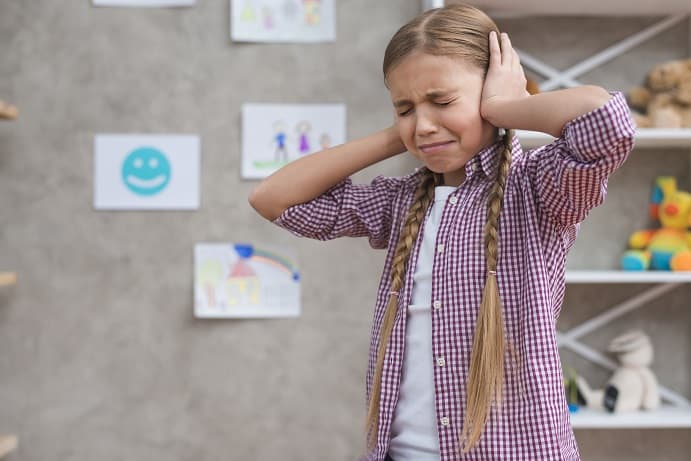
Child depression doesn’t always look like crying. Sometimes it’s irritation, silence, or a child who says “I’m fine” but clearly isn’t.
As parents, we often think love should be enough to fix everything. But children today face pressures we never did – school stress, screen overload, and quiet loneliness. They need more understanding, not just reassurance.
This guide shares real, practical ways to help.
You’ll learn how to recognise depression early, understand why it happens, and use 15 simple, proven steps to support your child at home and beyond.
Because sometimes, helping starts with just saying,
“I see you’re struggling, and I’m here.”
How Can I Tell if My Child Is Depressed?
It’s not always easy to tell.
Depression in children doesn’t always look like sadness; sometimes it looks like silence, irritation, or loss of interest in things they once enjoyed.
You might notice your child:
- Avoids friends or family gatherings
- Sleeps too much or too little
- Eats less or overeats for comfort
- Says “I don’t care” or “I’m just tired” too often
- Gets angry over small things
- Loses focus in studies or daily tasks
Many parents mistake these changes for laziness or mood swings. But when they last more than two weeks and start affecting school or relationships, it could be something deeper.
The first sign of depression isn’t always sadness; it’s often disconnection.
If you’re unsure, talk to your child gently. Ask how they’ve been feeling, not what’s “wrong.”
And remember, recognising the change early can make all the difference.
What Causes Depression in Children?
There isn’t one single reason.
Most children don’t even know how to explain what they’re feeling; they just know something inside feels “heavy.”
Depression in today’s kids often comes from a mix of small pressures that build up over time, such as:
- Academic stress – fear of marks, competition, or disappointing parents
- Loneliness – not having close friends or feeling left out at school
- Family tension – constant arguments, comparisons, or lack of attention
- Screen overload – too much social media, online bullying, or late-night scrolling
- Big life changes – shifting schools, separation, loss of a loved one, or relocation
Children rarely say, “I’m depressed.”
They might say, “I’m tired of everything,” or “No one listens.”
That’s their way of asking for emotional safety, not discipline.
Behind most children’s anger or silence is an unmet need for understanding.
Signs of Depression in Children
Every child shows it differently.
Some become quiet, while others turn angry or restless.
You may not see tears, but you’ll see small changes in how they live, talk, or connect.
Here are a few things to watch for:
- They stop enjoying what they used to love.
A child who once loved drawing or cricket suddenly says, “It’s boring.”
- They spend more time alone.
Prefer their room, keep earphones on, or avoid family time.
- Their mood changes quickly.
Get irritated or angry over small things, or stay upset without reason.
- They lose energy or focus.
Struggle to get ready for school, forget homework, or move slower than before.
- Their sleep or appetite changes.
Either sleep all the time or stay up late scrolling; eat very little or overeat for comfort.
- They use worrying words.
Say things like, “I’m useless,” “I don’t want to go anywhere,” or “Nothing makes sense.”
These signs don’t mean your child is “weak” or “dramatic.” They mean they’re struggling inside, often quietly.
If you notice a few of these patterns lasting more than two weeks, it’s time to check in gently and, if needed, reach out for professional support.
How Common Is Depression in Children?
Depression in children is far more common than most parents realise and it’s growing quietly every year.
Recent global studies show that around 1 in 5 children and adolescents experience depressive symptoms at some point in their lives (Source: Journal of Affective Disorders, 2024).
In India, the numbers are even more worrying.
A 2024 national review found that depression affects anywhere between 12% and 26% of school-going children, depending on location and school type (Source: Indian Journal of Pediatrics, 2024).
Another large study from 2023 reported that nearly one in four Indian adolescents (25.9%) showed signs of moderate to severe depression (Source: Indian Journal of Psychiatry, 2024).
Behind these figures are real families, children who start saying they feel “tired,” “left out,” or “not good enough.”
Most never reach therapy because their sadness gets mistaken for bad behaviour or “just mood swings.”
The good news is that depression in children is treatable.
With the right mix of understanding, therapy, and home support, most children start recovering within months.
15 Real Ways to Help Your Child With Depression
When your child starts to pull away – skipping meals, avoiding friends, losing interest in everything- it can leave you scared and unsure of what to do. You want to fix it, but depression isn’t something you can solve overnight. It’s a slow, quiet healing that begins with being patient, gentle, and consistent.
These 15 ways aren’t theories or textbook ideas. They come from what real families have done – small, steady actions that remind a child they’re not alone, even when they can’t say what hurts.

1. See the Pain Before You Fix the Behaviour
When a child is depressed, what looks like laziness, anger, or stubbornness is often quiet pain showing up in disguise. A child who refuses school might not be defiant; they might be anxious, exhausted, or feeling worthless.
Instead of reacting to what you see, pause and ask what they might be feeling. Say, “You seem upset today. Want to tell me what made it hard?” Seeing the emotion behind the action helps your child feel understood, not judged, and that’s where real healing begins.
2. Stay Beside Them in Silence
When your child shuts down or says, “I don’t want to talk,” don’t walk away in frustration. Sit close, even if you say nothing. Sometimes a quiet presence speaks louder than comforting words.
Your child needs to know you won’t disappear when things get heavy. Just being there, sitting on the same couch, sharing a quiet meal, or simply staying in the room, tells them, “You’re not alone, even when you can’t speak.”
3. Remove Blame – From Them and From Yourself
Depression makes both parent and child feel guilty.
Your child might think they’re a burden; you might wonder if you did something wrong. Neither is true.
Blame builds walls. Understanding breaks them.
Instead of asking, “Why are you like this?” say, “It’s okay, we’ll get through this together.” When children stop feeling blamed, they stop hiding their pain, and that’s when they start healing.
4. Protect Them from Emotional Noise
Children with depression are sensitive to the energy around them.
Even small arguments, harsh tones, or sarcasm can make them withdraw further. The home doesn’t need to be silent; it just needs to feel safe.
Try to keep the atmosphere calm. Lower your voice, avoid shouting across rooms, and pause before reacting in anger. Emotional noise doesn’t just fill the house; it fills their mind. A peaceful environment gives them space to breathe again.
5. Take Help Early, Not When Things Break Down
Most parents wait too long to seek therapy, hoping things will get better on their own. But depression rarely fades without guidance. Early help prevents deeper pain.
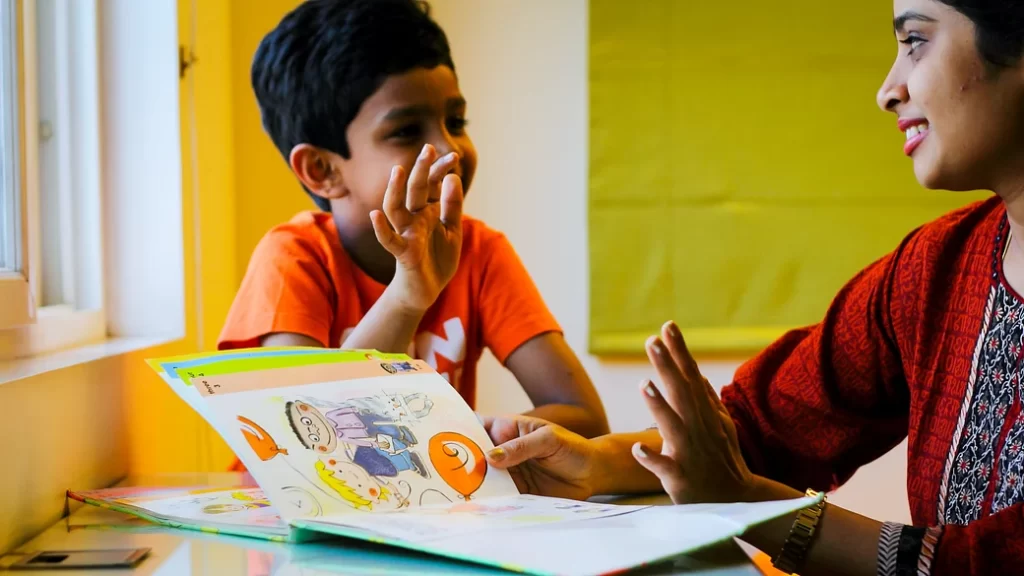
If your child has been withdrawn or hopeless for more than two weeks, speak to a psychologist or go for online art therapy. Therapy doesn’t mean something is “wrong”; it’s simply emotional support that teaches children to handle feelings they can’t name yet. The sooner you start, the faster your child begins to recover.
6. Make Home Feel Emotionally Safe
Your child should never have to hide their feelings at home. When they sense they can cry, fail, or speak without being judged, it becomes easier for them to open up.
Avoid saying things like “Don’t cry” or “Be strong.” Instead, say, “It’s okay to feel this way. I’m here.” Home isn’t meant to teach children how to stay silent; it’s meant to show them it’s safe to feel.
7. Keep an Eye on Their Digital World
Much of a child’s emotional life now happens online, in group chats, games, and social media. Cyberbullying, exclusion from a group, or constant comparison can quietly break their confidence.
Don’t spy, but stay involved. Ask who they talk to online, what kind of content they like, or if something online has been upsetting them. Your goal isn’t control, it’s understanding.
When children know you care about how they feel online, not just what they do online, they start coming to you before things get worse.
8. Reduce Pressure, Keep Expectations Kind
Many children in India carry silent pressure to perform, to be “good,” to not disappoint anyone.
When that pressure piles up, even small failures start to feel unbearable.
Remind your child that their worth isn’t measured by grades, behaviour, or achievements. Say things like, “I’m proud of how hard you tried,” instead of “You could’ve done better.”
Kind expectations help them breathe again, and sometimes, breathing without fear is the start of healing.
9. Build Small Routines That Feel Safe
Depression makes life feel unpredictable.
Simple daily habits – breakfast together, a short evening walk, bedtime chat – give your child a sense of structure and safety.
These routines don’t need to be strict; they just need to be consistent. Familiar patterns remind your child that life still has rhythm, even when their emotions don’t.
In the middle of confusion, predictability feels like comfort.
10. Talk About Feelings Like They’re Normal
Children learn how to handle emotions by watching how we treat ours.
If you only talk about happy feelings, they’ll think sadness is something to hide.
Make feelings a normal topic at home. Ask, “What made you happy today?” and “What upset you?” in the same tone.
When emotions stop being a “big deal,” your child stops feeling broken for having them.
11. Let Them Choose What Helps Them Cope
Every child calms down differently.
Some need music, some draw, some just want silence. Forcing them to “go out” or “talk more” can backfire when they’re not ready.
Ask, “What helps you feel a little better when things get heavy?”
When you let them decide, you give them a sense of control – something depression often takes away.
12. Watch for Words That Sound Hopeless
Sometimes children don’t say “I’m depressed.” They say things like “I’m tired of everything,” “No one cares,” or “I wish I could disappear.”
These are not attention-seeking words; they’re quiet alarms.
Stay calm but act fast. Sit beside them, listen fully, and ask gently, “Are you feeling like you don’t want to be here?”
If they nod or hesitate, don’t panic; reach out for professional help immediately. Early response saves lives.
13. Involve School Support Early
Your child spends most of their day at school, and teachers often notice changes before parents do – falling grades, silence in class, or isolation during breaks.
Speak privately with their class teacher or school counsellor. Let them know what’s happening at home so they can keep a gentle watch.
When home and school work together, children feel supported in both worlds, not judged in either.
14. Normalise Therapy and Mental Health Help
Children take cues from how parents talk about therapy.
If you treat it like something shameful or secret, they’ll resist it. If you treat it as normal care, they’ll accept it with trust.
Say, “Just like we visit a doctor when our body hurts, we can talk to a therapist when our heart feels heavy.”
This one sentence can remove fear faster than any pep talk. Therapy isn’t a sign of failure; it’s a step toward feeling better.
15. Remind Them That This Isn’t Forever
Children often believe the sadness will never end.
They can’t imagine feeling better again, and that hopelessness is what hurts most.
Tell them gently, “This won’t last forever. You’ll feel okay again, maybe not today, but someday soon.”
Your calm confidence becomes their borrowed hope. When you believe in their recovery, they slowly start to believe in it too.
When to Seek Professional Help for Child Depression in India
Many parents wait, hoping their child will “grow out of it.” But depression in children rarely fades on its own. The earlier you seek help, the faster recovery begins.

If your child shows any of the signs below for more than two weeks, it’s time to reach out for professional therapy for child depression:
- Persistent sadness, hopelessness, or loss of interest in play
- Refusing school or avoiding social contact
- Changes in appetite, sleep, or energy
- Saying “I wish I wasn’t here” or “Nothing matters anymore”
- Self-harm, talk of death, or risky behaviour
Getting therapy doesn’t mean you’ve failed as a parent, it means you’re giving your child the right tools to heal.
At PsychiCare, our licensed child psychologists offer both online and in-person therapy for child depression in India, helping families rebuild communication, safety, and trust.
Don’t wait for things to fall apart. Getting help early can change everything for your child’s emotional future.
Helplines and Immediate Support in India:
- Childline: 1098
- Vandrevala Foundation: 1860 266 2345 / text 9999
- iCall: +91 9152987821
- AASRA: +91 9820466726
Book a confidential session with PsychiCare →
Final Thoughts on Supporting a Depressed Child
Helping a depressed child isn’t about fixing every problem, it’s about showing up, every day, even when it’s hard.
Children heal when they feel seen, safe, and understood. Your calm presence, patient listening, and willingness to get help when needed are the strongest forms of support for child depression you can offer.
At PsychiCare, we’ve seen children recover completely with timely therapy for child depression in India, consistent parental care, and open communication. Healing doesn’t happen overnight, but it always begins when a parent says, “You don’t have to face this alone.”
If you’ve noticed signs of sadness, withdrawal, or hopelessness in your child, take the first step today.
Connect with a licensed child psychologist at PsychiCare →
FAQs
1. Why does my child refuse therapy or counselling even though they seem depressed?
Children often fear being judged or forced. Explain that therapy for child depression is a safe space to talk, not punishment. Involve them in choosing the therapist to build comfort and control.
2. How do I ask my child about their feelings without pushing them away?
Ask gently during calm moments. Say, “You’ve seemed low lately; I’m here if you want to talk.” Avoid pressure or lectures. Warm curiosity and quiet listening make children feel safe enough to open up.
3. When is a child’s sadness more than just a bad mood?
If sadness, anger, or isolation lasts over two weeks and affects sleep, appetite, or school life, it may be depression. Seek early help for child depression before symptoms deepen.
4. Could I be the cause? What if I’ve made mistakes as a parent?
You didn’t cause your child’s depression. It develops from many factors. Focus on understanding, not guilt. Your patience, care, and willingness to get therapy make the biggest difference now.
5. What if my child doesn’t talk about their feelings at all?
Silence doesn’t mean rejection. Stay nearby, show calm care, and use gentle mediums like drawing or walks. Therapy helps children express emotions they can’t yet describe in words.
6. Is it safe to let my child use social media if they seem depressed?
Limit, don’t ban. Guide them toward positive online spaces and talk about what they see. Balanced screen time and open conversations support healthy emotional recovery.
7. Can depression in children return after treatment?
Yes, especially during stressful periods. Continue regular check-ins, routines, and therapy sessions. Ongoing emotional support keeps recovery stable and helps prevent relapse.