Last Updated on September 10, 2026
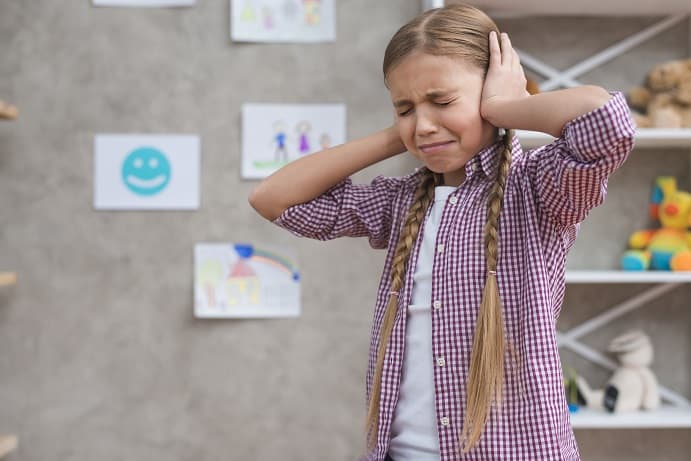
Some children are naturally quiet, cautious, or slow to become comfortable around new people. This does not necessarily mean they have social anxiety.
The concern begins when fear starts limiting normal life. A child may want to make friends but avoid approaching other children, know an answer but stay silent in class, refuse school activities, or depend on a parent to speak for them in unfamiliar situations.
For parents, the goal is not to make a quiet child more outgoing. It is to help the child take part in everyday social situations without fear deciding what they can and cannot do.
Why Does a Child Feel Shy or Anxious Around People?
There can be several reasons. Some are related to temperament or unfamiliar situations, while others may need closer psychological assessment.
Common reasons include:
- Naturally quiet or slow-to-warm-up temperament
- New school, class, tuition, or neighbourhood
- Fear of saying something wrong
- Worry about being laughed at or judged
- Low confidence
- Comparison with siblings or classmates
- Being repeatedly labelled “shy”
- Difficulty starting conversations
- Trouble joining an existing group
- Previous embarrassment in class
- Bullying, teasing, or exclusion
- Fear of speaking English incorrectly
- Strong fear of presentations or public speaking
- Social anxiety
- Broader anxiety affecting other areas of life
- Selective mutism in particular settings
- Communication or developmental difficulties
A child who is simply cautious often becomes more comfortable once the situation feels familiar. Social anxiety deserves more attention when fear repeatedly interferes with friendships, school participation, or everyday independence.
What Can Parents Do to Help a Child With Social Anxiety?
Parents can help most by understanding the child’s specific fear and making social situations manageable rather than either forcing them or allowing complete avoidance.
Understand What the Child Is Afraid Of
Avoid asking only:
“Why are you so shy?”
Ask about the actual situation.
“What worries you about the party?”
“What feels difficult when the teacher asks you something?”
“What do you think might happen if you talk to those children?”
The child may fear being ignored, laughed at, giving a wrong answer, speaking incorrectly, or not knowing what to say.
Knowing the exact fear makes support more useful.
Break Social Situations Into Smaller Steps
Do not make the first target the hardest situation.
If a large birthday party feels overwhelming, start with meeting one familiar child there.
If speaking in class is difficult, begin with answering the teacher privately or in a small group.
If talking to unfamiliar adults is difficult, start with saying thank you, then asking one simple question.
Small successful experiences help the child learn that anxiety can be managed.
Give the Child Time to Answer
Parents often speak for an anxious child because they can see the child is uncomfortable.
A relative asks which class they are in. The child hesitates, and the parent answers immediately.
Occasional help is fine. But if this happens every time, the child gets fewer opportunities to practise.
Wait a few seconds. If needed, give a short prompt instead of taking over the entire conversation.
Stop Calling the Child “Shy”
Avoid introducing the child as:
“He doesn’t talk to anyone.”
“She is extremely shy.”
“She has always been like this.”
Repeated labels can become part of how the child sees themselves.
A better description is:
“She takes some time to get comfortable.”
If comparison, criticism, or self-doubt is already affecting the child, parents can also read about why children lose confidence.
Practise Social Situations at Home
Simple rehearsal can make unfamiliar situations feel more predictable.
Parents can practise:
- Introducing themselves
- Asking to join a game
- Greeting a relative
- Asking a teacher for help
- Ordering food
- Starting a simple conversation
Keep the practice brief and supportive.
Focus on One Friendship at a Time
Some children find one-to-one interaction much easier than large groups.
If there is a classmate the child already feels comfortable with, create opportunities for shorter interaction around an activity such as badminton, drawing, a school project, or walking to tuition together.
The goal is not to collect many friends. One comfortable friendship can be enough to build social confidence.
If friendship difficulties go beyond anxiety, PsychiCare’s guide on why some children struggle to make friends looks at that concern in more detail.

Avoid Comparison
Comments such as:
“Your brother talks to everyone.”
“Your cousin has so many friends.”
can make the child feel more inadequate rather than more confident.
Measure progress against the child’s own earlier behaviour.
A child who previously refused an activity but can now attend and stay for some time is making progress.
How Can Parents Help With Social Anxiety at School?
School often makes social anxiety easier to notice because children have to speak, participate, ask for help, and work with others.
Parents may notice that the child:
- Never raises their hand
- Avoids reading aloud
- Refuses presentations
- Dreads group activities
- Does not ask teachers for help
- Sits alone during breaks
- Avoids competitions or school events
Speak with the teacher about what happens in specific situations.
A child who fears presentations may first practise at home, then speak to the teacher privately, then to a smaller group before attempting a full-class presentation.
The aim is gradual participation, not permanent avoidance.
If anxiety has progressed into repeated school refusal, PsychiCare also provides support for school phobia and school refusal.
What Should Parents Avoid?
Parents should avoid responses that either increase pressure or strengthen avoidance.
Try not to:
- Say “just be confident”
- Tell the child there is “nothing to fear”
- Compare them with siblings
- Joke about their shyness
- Put them on the spot in front of others
- Speak for them in every interaction
- Force a major social situation without preparation
- Cancel every activity because they feel nervous
The useful middle ground is gradual, supported participation.
When Should Parents Seek Counselling?
A quiet personality does not require treatment.
Professional support becomes more relevant when social fear consistently interferes with school, friendships, or everyday independence.
Consider speaking with a child psychologist when the child:
- Wants friends but cannot approach other children
- Avoids normal school activities because of fear
- Repeatedly refuses presentations or group work
- Cannot ask teachers for help
- Becomes highly distressed before social events
- Worries for hours or days about embarrassment
- Develops stomach aches, nausea, or crying before social situations
- Becomes increasingly isolated
- Stops attending activities they previously enjoyed
- Speaks freely at home but consistently cannot speak in another important setting
- Starts avoiding or refusing school
- Has struggled for several months without improvement
The American Academy of Child and Adolescent Psychiatry advises taking childhood anxiety more seriously when it interferes with normal activities such as attending school, socialising, or making friends. (AACAP)
Assessment is important because similar behaviour can have different causes. Fear of judgement, bullying, selective mutism, communication difficulties, and broader anxiety should not automatically be treated as the same problem.
PsychiCare’s online child and adolescent counselling supports children and teenagers dealing with anxiety, low confidence, school difficulties, and social concerns.
Support may focus on identifying the child’s specific fears, reducing avoidance gradually, improving coping skills, and helping parents know when to support and when to allow the child to try independently.
Final Thoughts
Being quiet does not mean something is wrong with a child.
Some children prefer smaller groups, take longer to become comfortable, and do not enjoy being the centre of attention.
The concern is when fear starts limiting their choices.
If a child wants to make friends but cannot approach them, avoids speaking even when they need help, or stops joining normal school and social activities because of fear, parents should look beyond the label of “shy.”
Start by understanding what the child is afraid of, make difficult situations smaller, allow them to practise, and avoid labels or comparison.
If social anxiety continues to interfere with friendships, school, or everyday independence despite this support, a child psychologist can help identify what is maintaining the difficulty and what type of support is appropriate.