Last Updated on September 5, 2026
The argument may have nothing to do with the child.
It may start over money, work, in-laws, household responsibilities, parenting, or something that has been building between the couple for months.
But the child is still in the house.
They hear voices getting louder. A door is slammed. Something is thrown onto the table. One parent starts crying. The other walks out of the room angry.
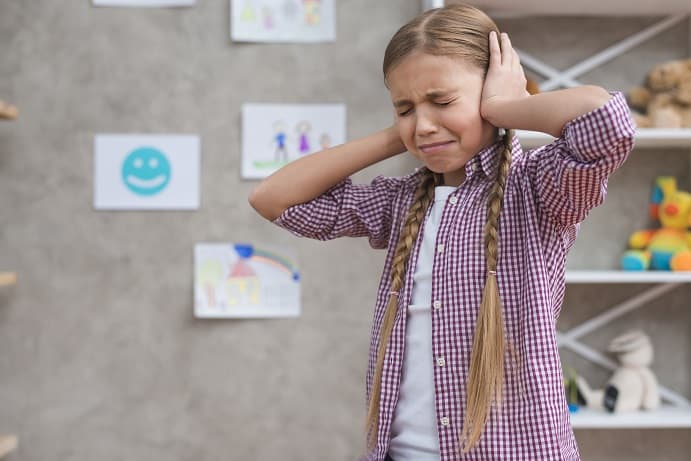
A six-year-old may become unusually quiet. A ten-year-old may turn up the television and pretend not to listen. A teenager may take their younger sibling into another room.
And a three-year-old may understand none of the words but still know that Mum is upset and Dad sounds frightening.
A child does not need to understand why their parents are fighting to feel the tension, fear and uncertainty it creates at home.
How Does Fighting Between Parents Affect a Child?
Parents disagree in every family.
A disagreement where two adults are irritated, talk about the problem and eventually settle it is not the same as a home where arguments regularly involve shouting, insults, threats, objects being thrown, aggressive behaviour or days of hostile silence afterwards.
What matters is not simply whether parents ever argue. It is what those arguments repeatedly feel like to the child.
Research looking across 169 studies found associations between interparental conflict—including hostile and unconstructive conflict—and children’s emotional and behavioural difficulties. The child’s own emotional, behavioural and physical reactions to the conflict also matter. You can read the meta-analysis on interparental conflict and child adjustment here.
For a child, the biggest change may be that home stops feeling completely predictable.
At first, they are frightened by the fight itself.
After enough fights, they may start recognising what comes before one.
Dad’s voice changes.
Mum suddenly becomes quiet.
Nobody talks during dinner.
A familiar topic comes up.
One parent enters the room already irritated.
The child begins watching these signs because they want to know what is going to happen next.
That constant alertness can start showing up as worry, clinginess, irritability, withdrawal or difficulty relaxing even when no argument is currently happening.
A Young Child May Not Understand the Fight, But They Can Feel It
Parents sometimes assume a very young child is unaffected because:
“He is only three. He doesn’t understand.”
The child may indeed have no idea what the argument is about.
They do not understand financial problems, relationship disappointment, in-law conflict, work pressure or why Mum and Dad disagree about parenting.
But they can understand what they see and hear.
A toddler can notice a parent’s angry face.
They can hear shouting.
They can see Mum crying.
They can hear something hit the floor.
They can notice when one parent suddenly leaves.
They can feel the difference between a relaxed home and a tense one.
A younger child may respond by crying more, becoming unusually clingy, wanting to sleep close to a parent, waking during the night or becoming frightened when adults raise their voices.
Some children become more irritable themselves.
They may hit a sibling, scream more often or start throwing things when frustrated. This does not automatically mean the parents’ arguments caused the behaviour, but a major change in behaviour happening alongside repeated conflict at home deserves attention.
When anger and aggression are becoming a wider issue for the child, parents can also read about tantrums and aggressive behaviour in children.
When Fighting at Home Starts Affecting a Child’s Mental Health
Children do not all respond to parental conflict in the same way.
One child becomes scared.
Another becomes angry.
Another behaves almost normally at home but starts struggling elsewhere.
Fear and Anxiety
A school-age child often understands enough to imagine what might happen next, but not enough to know what is actually happening between their parents.
Their thoughts may become very simple:
“Will they fight again tonight?”
“Is Mum okay?”
“Why did Dad leave?”
“Are they going to get divorced?”
“Is someone going to get hurt?”
A child may start checking where both parents are, listening when they talk privately or becoming nervous whenever someone’s voice gets louder.
Even after an argument ends, the child may still be waiting for it to begin again.
Blaming Themselves
This becomes particularly important when parents fight about the child.
For example:
“You never discipline him.”
“You put too much pressure on her.”
“His marks are falling because you keep giving him the phone.”
“She doesn’t listen because you always take her side.”
The adults may be arguing about parenting.
The child may hear something else:
“They are fighting because of me.”
Some children then start hiding problems.
They don’t show the poor test result.
They stop asking for something they need.
They try to be unusually obedient.
They become frightened of making mistakes because another problem might start an argument between Mum and Dad.
Children should know clearly that adult relationship disagreements are not their responsibility to solve.
Anger, Withdrawal and Behaviour Changes
Not every distressed child looks sad.
A boy or girl who cannot control what is happening between their parents may start trying to control other things.
They may argue more.
They may shout at siblings.
They may become defiant with parents.
Another child may do the opposite. They become quiet, spend more time alone and stop telling parents what is happening at school.
Teenagers sometimes start staying in their rooms or outside the house for longer because home itself feels exhausting.
This is why parents should look for a change from the child’s usual behaviour, rather than expecting every affected child to react in exactly the same way.

Sleep and Concentration Can Change Too
Imagine hearing your parents shouting at 11 PM and then being expected to wake up at 6:30 for school as if nothing happened.
Some children lie awake after everyone else has gone quiet.
Others wake when they hear another sound and wonder whether the argument has started again.
The next day they may be tired, irritable or unable to concentrate properly.
Homework can take longer.
Interest in studies may drop.
A teacher may notice that a usually attentive child has become distracted or unusually quiet.
That does not mean every academic problem comes from conflict at home. But when sleep, concentration and school behaviour change at the same time as frequent fights, parents should look at the whole situation rather than only pushing the child to study harder.
When a Child Gets Caught Between Mum and Dad
Sometimes the most difficult part is not witnessing the fight.
It is being pulled into it.
“Go tell your father dinner is ready. I’m not speaking to him.”
“Ask your mother why she said no.”
“You tell me, who is wrong here?”
Or one parent starts discussing the marriage with the child:
“Your father never understands me.”
“Your mother always behaves like this.”
An older child may also step into the role without being asked.
They take their younger brother or sister into another room when shouting starts.
They sit beside a crying parent.
They try to convince Dad to calm down.
They stay awake because they feel somebody needs to keep watch.
From outside, this can look like a very mature child.
But the child is taking on a responsibility that belongs to adults.
They should not have to become the messenger, judge, peacekeeper or emotional support person in their parents’ relationship.
Different Parenting Styles Can Make the Conflict Worse
Parents do not need identical parenting styles.
One may naturally be stricter. The other may be more relaxed.
Problems begin when the difference repeatedly turns into conflict in front of the child.
Mum says:
“No phone until homework is finished.”
Dad immediately says:
“Give it to her. You’re always too strict.”
Now the child has not only received two different rules. They have watched their parents undermine each other because of that rule.
The same thing can happen around tuition, marks, bedtime, pocket money, going out with friends or discipline.
In Indian households, grandparents may sometimes become part of this too. One parent sets a boundary, a grandparent reverses it, and another argument begins over who has the right to decide.
The goal is not for every adult to think exactly alike. It is for important differences to be discussed without making the child stand in the middle.
When parenting disagreements have themselves become a repeated source of conflict, online parenting counselling can focus on co-parenting stress, inconsistent rules, behaviour concerns and communication between parents.
When Parents Fighting Becomes Frightening for a Child
There is a major difference between parents disagreeing and a child seeing a situation that appears dangerous.
Screaming, threatening someone, throwing or breaking objects, punching walls, pushing, hitting, blocking someone from leaving or seeing one parent visibly frightened goes beyond an ordinary disagreement.
For a child watching this, the question may no longer be:
“Are Mum and Dad angry?”
It becomes:
“Is somebody going to get hurt?”
A young child may cry, hide or run towards one parent.
An older child may try to physically intervene.
A teenager may take a younger sibling away from the scene.
Children should never have to manage that situation themselves.
Where there is physical violence, threats or immediate danger, safety comes before trying to resolve the relationship conflict.
What Should Parents Do After Fighting in Front of Their Child?
One common mistake is pretending nothing happened.
The parents fight badly at night.
The next morning Dad goes to work, Mum makes breakfast and everybody behaves normally.
The adults may feel the issue has passed.
The child may still be wondering whether another fight will happen tonight.
You do not need to explain the adult details.
You also do not need to make unrealistic promises such as:
“We will never fight again.”
A simple explanation is often more useful:
“You heard us arguing yesterday. We were very upset with each other. It was an adult problem, it was not because of you, and you don’t have to fix it.”
Then behave accordingly.
Do not ask the child whose side they are on.
Do not use them to pass messages.
Do not criticise the other parent through them.
If possible, let the child also see that adults can calm down, apologise where appropriate and speak respectfully after a disagreement.
Repair matters because otherwise the child may see the frightening part of conflict without ever seeing how adults come back from it.
When Should Parents Get Help?
One fight does not tell you how a child is doing.
Look for patterns.
Take the child’s reaction more seriously when fear or behavioural changes continue even after the immediate argument has ended.
For example, your child may remain unusually clingy, repeatedly ask whether you are going to separate, struggle to sleep, become aggressive, withdraw from the family or lose concentration at school.
Some children repeatedly run into the room when parents start talking loudly because they feel they need to prevent another fight.
Others appear frightened of being alone with one parent.
When the child themselves is showing ongoing anxiety, emotional changes, aggression, withdrawal or school difficulties, online child counselling can help assess what the child is experiencing and what support is appropriate for their age.
When the problem sits across the whole household—arguments between parents keep repeating, communication breaks down and the child’s behaviour is becoming part of the family conflict—online family counselling may be more appropriate.
Parenting and Family Counselling at PsychiCare
The aim of counselling is not to create a family where nobody ever disagrees.
It is to stop disagreements from repeatedly turning into a situation the child has to fear, manage or recover from.
PsychiCare works with parents and families dealing with repeated conflict, parenting disagreements, communication problems and emotional or behavioural changes in children.
Sometimes the work needs to focus mainly on the parents and how conflict is handled. In other situations, the child may also need their own psychological support.
The right format depends on where the problem is happening and who needs to be involved for things to change.
FAQs
What happens to a child when parents fight?
Some children become anxious or watchful, while others become angry, withdrawn, clingy or distracted. The effect depends on factors such as how frequent and intense the conflict is, whether the child feels threatened or responsible, and how the parents behave after the argument.
Can parents fighting cause anxiety in a child?
Frequent hostile conflict between parents is associated with emotional difficulties in children, including anxiety. A child may begin worrying about when another argument will happen, whether somebody will leave or whether they caused the fight.
Can toddlers be affected by parents fighting?
Yes. A toddler does not need to understand the subject of the argument to react to shouting, angry expressions, crying or frightening behaviour. Parents may notice increased clinginess, crying, irritability, sleep changes or fear when voices become loud.
Is it okay for parents to argue in front of children?
Children do not need parents who agree about everything. Respectful disagreement is different from repeated shouting, insults, threats or aggression. When a disagreement becomes heated, it is better to pause and continue the adult discussion privately.
What should parents do after fighting in front of their child?
Acknowledge what happened in simple, age-appropriate language. Tell the child that the disagreement was between adults, that it was not their fault and that they do not need to solve it. Avoid sharing unnecessary relationship details or asking the child to take sides.
When should parents seek counselling for frequent fights at home?
Consider professional support when conflicts keep repeating, parents cannot agree on how to handle the child, or the child begins showing continuing fear, aggression, sleep problems, withdrawal, concentration difficulties or attempts to manage the parents’ relationship.