

Last Updated on November 7, 2026
You can know you’re safe and still feel your stomach drop when it’s your turn to go into the dentist’s room. If someone tells you to relax, you probably would if you could.
Hypnotherapy may help you manage anxiety in a specific situation, such as a medical procedure. The evidence is less clear for anxiety that keeps coming back or affects much of your day.
How Does Hypnotherapy for Anxiety Work?
A hypnotherapist helps you focus your attention. You might listen to their voice, notice how your body feels or picture a scene.
Once you’re focused, the therapist offers suggestions that fit what you want to work on. Think of it as a chance to rehearse what you might do the next time you feel anxious.
Say you usually think about leaving while you wait to see the dentist. During hypnosis, you might picture that moment and practise saying, “I’m nervous. Can you tell me what’s going to happen first?”
If imagining yourself feeling completely calm seems unrealistic, tell your therapist. You might start by picturing yourself staying in the room long enough to ask that one question. Royal College of Psychiatrists guide to hypnotherapy
What Does the Research Say About Hypnotherapy for Anxiety?
Anxiety before a medical or dental procedure
A 2025 review of 20 trials involving 1,250 patients found lower anxiety among people who received hypnosis around an invasive medical procedure. The comparison group received standard care. Review of hypnosis during medical procedures
Studies of dental anxiety also found some benefit, though results varied widely. If fear has made you put off a procedure, tell the team when you book and ask what support they offer. NIH overview of hypnosis for medical and dental anxiety
Persistent worry, panic attacks and anxiety disorders
A 2019 review of 17 trials found lower anxiety scores after hypnosis. It looked at several kinds of anxiety together, so it tells us less about how well hypnosis works for a specific condition like panic disorder. Review of hypnosis for anxiety
A small study found that improvements after hypnotherapy largely held up a year later in people whose symptoms were below the threshold for a diagnosis. For adults with generalised anxiety disorder or panic disorder, the World Health Organization recommends cognitive behavioural therapy (CBT). 12-month follow-up study · WHO guidance on anxiety treatment
What Happens in a Hypnotherapy Session for Anxiety?
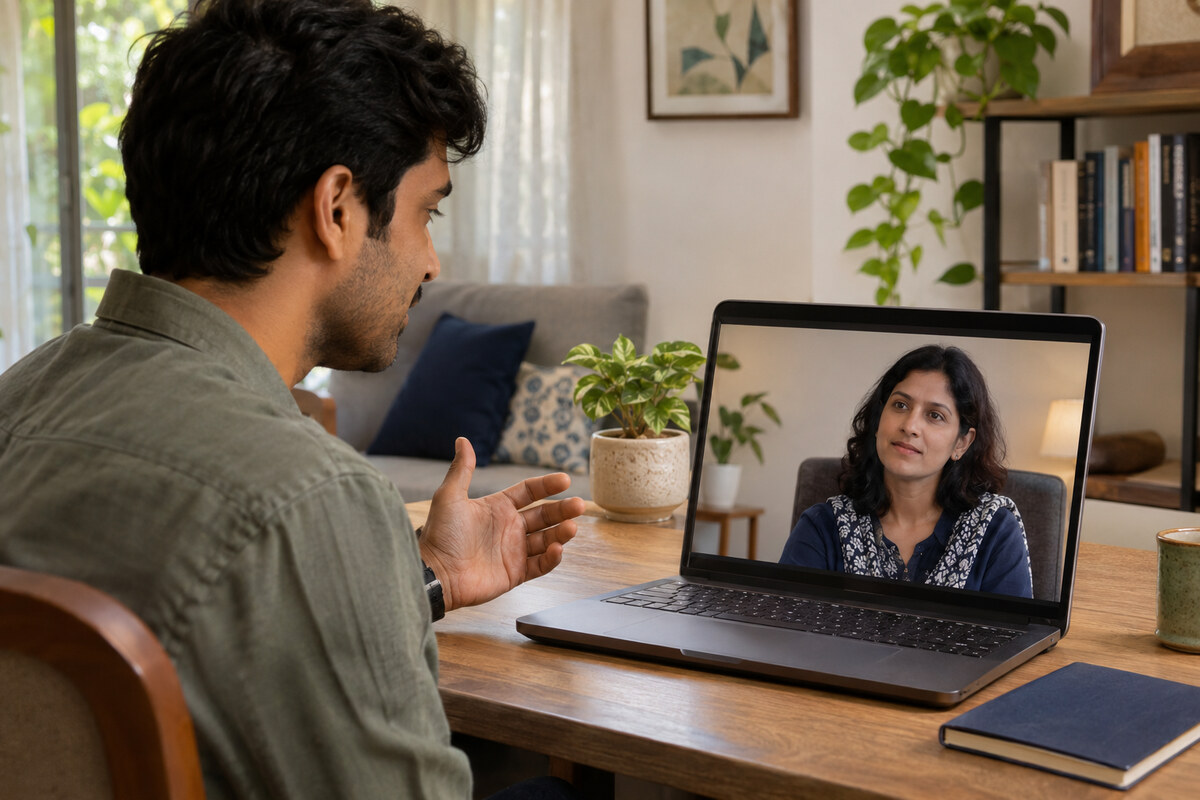
Your first appointment starts with a conversation. The therapist will usually ask when the anxiety started, what brings it on and what you’ve already tried.
Tell them if you’re already receiving care for anxiety. You can also say what makes you uneasy about hypnosis and agree on what you want to work on that day.
If you decide to try it, the therapist will explain what they’ll ask you to do. You can speak during the exercise, ask for a pause or stop whenever you want.
Afterwards, the therapist will ask what you noticed. If you got distracted or found a suggestion hard to follow, say so. That helps them decide whether to adjust the exercise next time.
If you’d like to ask a therapist whether the approach could help with your particular concern, see PsychiCare’s online hypnotherapy sessions.
When Should You Get an Anxiety Assessment First?
Start with an assessment if worry regularly keeps you awake, panic attacks keep coming back or fear is changing your routine.
Maybe you still get to work every day, but you take a much longer route because you’re afraid of having another panic attack on the Metro. Tell your clinician about the longer commute as well as the panic attack. Both are part of what you’re dealing with. NHS guidance on panic disorder · NHS guidance on generalised anxiety disorder
If you’re already in treatment, ask your clinician where hypnotherapy might fit. If you’re experiencing psychosis, speak with your mental health clinician about suitable options, because hypnosis can worsen symptoms. NHS Wales guidance on hypnotherapy
You can talk through what’s happening and decide where to start in an online anxiety counselling session with PsychiCare.
Frequently Asked Questions
How many hypnotherapy sessions might I need for anxiety?
The number depends on what you’re working on and how you respond. At the first appointment, ask how many sessions the therapist suggests starting with and when you’ll review whether they’re helping.
Is self-hypnosis the same as working with a hypnotherapist?
Self-hypnosis is an exercise you practise on your own, sometimes with a recording or a technique your therapist has taught you. In a guided session, the therapist can tailor the exercise to your symptoms and adjust it as you go.
Can I do hypnotherapy for anxiety online?
Yes. A therapist can guide you through the exercise over a live video call. You’ll need somewhere private to speak freely. Ask how the therapist will assess whether the sessions are helping with the concern you came in for.
